7 Tips on Gibberellic Acid Effect on Plant Growth?

Gibberellic acid can transform a small seedling into a visibly taller plant within days. Yet height is not the whole story. The gibberellic acid effect on plant growth depends on species, dosage, application timing, temperature, and plant health. A weak stem may stretch before it becomes strong enough to support new leaves or fruit.

Peter Hedden, a leading gibberellin researcher, states, “Gibberellins are plant hormones that regulate growth and development.” This principle explains why the same treatment may improve seed germination in one crop but create excessive stem elongation in another. Experienced growers therefore record plant height, leaf color, internode length, and flowering dates after each application. Small details matter.

Too much is easy.

These seven tips focus on practical observation rather than exaggerated promises. They examine concentration, crop sensitivity, growth stage, water status, light exposure, and treatment consistency. They also encourage untreated comparison plants, because natural growth can be mistaken for a chemical response. That mistake is common, and it deserves attention.

The discussion will not present gibberellic acid as a universal solution. Results can vary between greenhouse benches, soil types, and growing seasons. Product labels, local regulations, protective equipment, and approved agricultural uses must always guide decisions. Even careful recommendations have limits. A healthy trial includes clear records, realistic expectations, and willingness to revise the method when the plant responds poorly.
7 Tips on Gibberellic Acid Effect on Plant Growth?

What Gibberellic Acid Is and How It Influences Plant Growth

What Gibberellic Acid Is and How It Influences Plant Growth

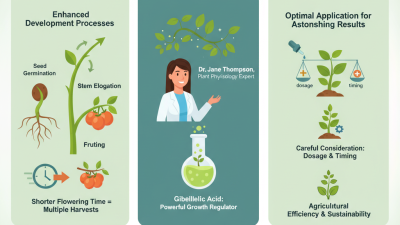
Gibberellic acid is a naturally occurring plant hormone. Gibberellic acid 3, often called GA3, is widely studied for crop management. It encourages cell elongation, seed germination, flowering, and fruit expansion.

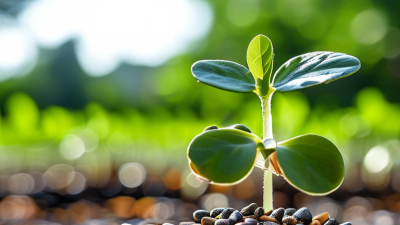
In germinating seeds, it can stimulate enzymes that release stored energy. Young stems may then lengthen quickly. Sometimes, too quickly.

Its response depends on species, dose, temperature, and application timing.

Seven practical checks matter: identify the crop, measure the solution, test a small area, spray evenly, avoid hot afternoons, record plant height, and inspect stems after several days.

A low dose may improve grape berry size or break dormancy in some seeds. A high dose can produce thin stems, delayed maturity, weak flowering, or uneven fruit.

The response is rarely tidy.

The European Food Safety Authority’s 2020 peer-review assessment states that exposure and residue patterns depend strongly on crop, application method, and use rate. That supports careful, crop-specific decisions rather than universal recipes.

FAO’s State of Food and Agriculture 2019 estimated that about 14% of food is lost between harvest and wholesale. Uniform size and maturity may help reduce handling losses, but gibberellic acid cannot solve poor irrigation or weak nutrition.

A practical greenhouse trial should include untreated plants, identical watering, and weekly photographs beside a ruler. This makes mistakes visible.

I would also question impressive height alone; taller plants are not always healthier plants.

How Gibberellic Acid Stimulates Stem and Leaf Development

Gibberellic acid can reshape plant architecture by promoting cell division and cell elongation. Its effect is strongest in young stems, leaf stalks, and expanding leaves. Controlled studies reported stem elongation increases of roughly 20% to over 60%, depending on species, dose, and growth stage (Rademacher, Annual Plant Reviews, 2016). More height is not always better. Weak stems may bend under heavy leaves or fruit.

Apply a low concentration to actively growing tissue, not drought-stressed plants. Good timing matters. Spraying during early leaf expansion may produce longer petioles and broader canopies. Excess treatment can create thin internodes, pale growth, or delayed flowering. The International Plant Nutrition Council notes that plant responses vary sharply with temperature, nitrogen supply, and water status. That is easy to overlook. Record plant height, internode length, leaf area, and stem strength before repeating an application.

Use clean water and even coverage. Avoid soaking the soil unless the label and crop protocol support it. Research summarized in Plant Physiology Reports shows that gibberellin responses often follow a narrow dose window, with benefits declining after the optimum point. My practical caution is simple: test a small group first. Measure twice. A taller plant may look vigorous, yet its leaves can become widely spaced and less useful for light capture. Exact results remain cultivar-specific, so field observations should challenge assumptions, not merely confirm them.

Seven Key Effects of Gibberellic Acid on Plant Growth

7 Tips on Gibberellic Acid Effect on Plant Growth

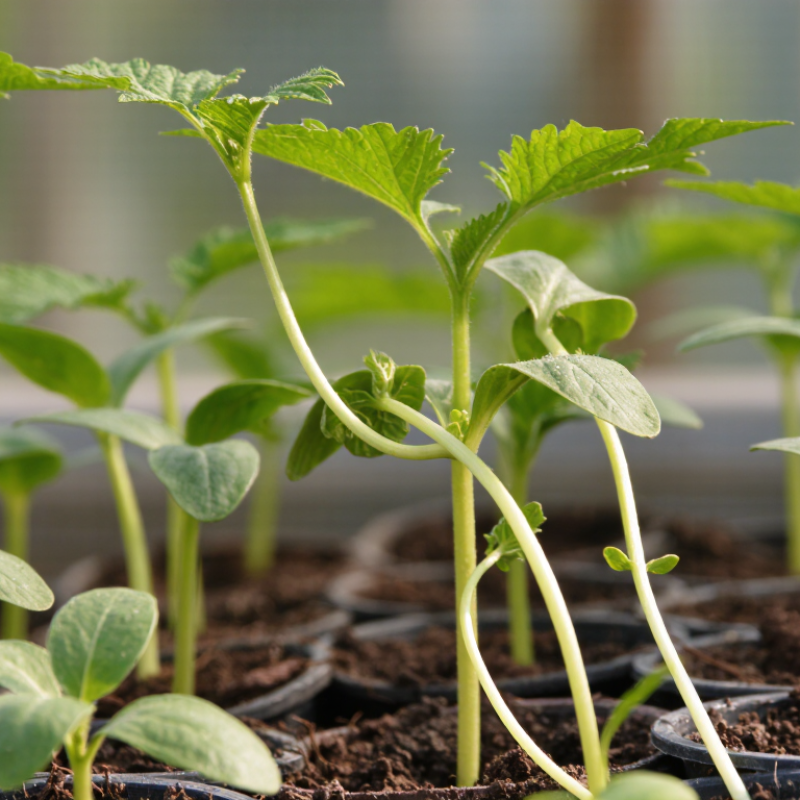
Gibberellic acid can change plant development in several visible ways. It stimulates cell elongation, often producing taller stems and longer internodes. It can improve seed germination by helping embryos overcome dormancy. In some crops, it encourages bolting and influences flowering time. These effects depend strongly on plant species, growth stage, temperature, and concentration.

Tip: Test a small area first. A weak solution may show little change, while excess treatment can create thin, unstable stems. Gibberellic acid may enlarge certain fruits and improve their shape. It can also support fruit set in selected crops, sometimes without normal fertilization. In addition, it may delay senescence, helping leaves or harvested produce remain fresh longer. Results are not always consistent.

Use clean water and accurate measuring equipment. Apply during active growth, not during severe heat or drought. Record the rate, weather, plant age, and visible response. A useful treatment for one cultivar may disappoint another. This is where careful observation matters. Wait several days before judging height, flowering, or fruit development, because early changes can look impressive but weaken later growth.

Factors That Affect Gibberellic Acid Performance in Plants

Gibberellic acid performance depends on more than the product itself. Concentration is critical. A weak solution may show little response, while an excessive rate can produce thin stems, stretched growth, or poor flowering. Plant species and cultivar also matter. Some varieties respond quickly, but others need careful testing. I prefer treating a small group first. It reduces costly surprises.

Timing often decides the result. Applications during active growth usually work better than treatments on stressed plants. Growth stage matters too, especially before flowering or fruit development. Temperature, light, and humidity can change absorption and plant response. Dry soil, low light, or extreme heat may reduce benefits. They may also increase uneven growth. Water quality deserves attention. Very alkaline water can affect spray performance, while dirty water may block equipment.

Coverage must be even, but leaves should not be dripping. The application method influences how much reaches the target tissue. Clean tools help prevent inconsistent results. Avoid mixing substances without checking reliable technical guidance. Some combinations can reduce activity or increase plant injury. Storage conditions also matter; heat, light, and moisture can weaken chemical stability. Record the rate, weather, plant age, and visible response after every trial. That record becomes valuable evidence, not decoration. I have found that expected results are not always repeatable. Biology rarely follows a perfect schedule. Adjustments should be cautious, measured, and consistent with the approved label and local requirements.

Safe Application Practices and Common Limitations of Gibberellic Acid

Gibberellic acid (GA3) can stimulate stem elongation, flowering, or fruit enlargement, but responses vary among species and cultivars. Treat it as a growth regulator, not a fertilizer. A vigorous plant still needs balanced nutrition, light, water, and suitable temperatures. Under drought or heat stress, treatment may produce uneven growth. Not always.

Safe application begins with the product label and the crop’s approved use. Measure the concentrate accurately, dilute it with clean water, and calibrate the sprayer before treating valuable plants. Wear gloves, eye protection, long sleeves, and suitable footwear. Avoid spraying during strong wind, high heat, or rain. Keep people, pets, and untreated crops away from the area. Observe the stated preharvest interval, and record the rate, date, weather, and plant response. Small details matter.

Gibberellic acid has real limitations. Excessive rates may create tall, weak stems, poor fruit quality, delayed maturity, or lodging. Some cultivars respond strongly, while others show little visible change. Results may also decline when plants lack water or nutrients. A common practical mistake is increasing the dose after one disappointing application. That can make the problem worse. Start with a small test area, compare treated and untreated plants, and inspect growth for several days. Even careful growers can misjudge timing. Measure carefully.