How to Use Gibberellic Acid for Optimal Plant Growth?
Gibberellic acid is a plant hormone that plays a significant role in plant growth. Understanding the gibberellic acid effect on plant growth can lead to improved cultivation techniques. Many growers rely on this hormone to enhance seed germination and accelerate growth rates. It is crucial to explore how to use gibberellic acid effectively.
Applying gibberellic acid can be beneficial, but it requires knowledge and care. Overuse may lead to unwanted results, such as excessive elongation or weak plants. Each species responds differently, and conditions vary widely. It's essential to monitor how plants react after application.
With consistency and care, gibberellic acid can optimize growth. However, growers should remain vigilant. Assessing the right dosage is vital. Practical experience paired with scientific guidelines will enhance plant health. Experimentation may lead to perfecting the process. Embracing both success and setbacks is part of effective gardening.
Understanding Gibberellic Acid and Its Role in Plant Growth
Gibberellic acid (GA) plays a vital role in plant growth and development. This naturally occurring hormone regulates various processes, including seed germination, stem elongation, and flowering. Understanding its functionality can help you optimize your gardening efforts.
When applied, gibberellic acid stimulates cell division and elongation. For example, it encourages seeds to sprout earlier. Gardeners have noticed quicker growth rates when used correctly. A typical scenario involves diluting GA with water before applying it to your plants. However, overuse can lead to unintended consequences like weaker stems. Proper dosage is crucial.
Gibberellic acid is also involved in breaking dormancy in seeds. It tricks plants into thinking conditions are favorable for growth. Some may find it challenging to gauge the right moment for application. Experimentation is sometimes required to observe what works best for your specific plant types. Keeping a detailed growth journal can provide insights over time.
Preparing for Application: Tools and Materials Needed
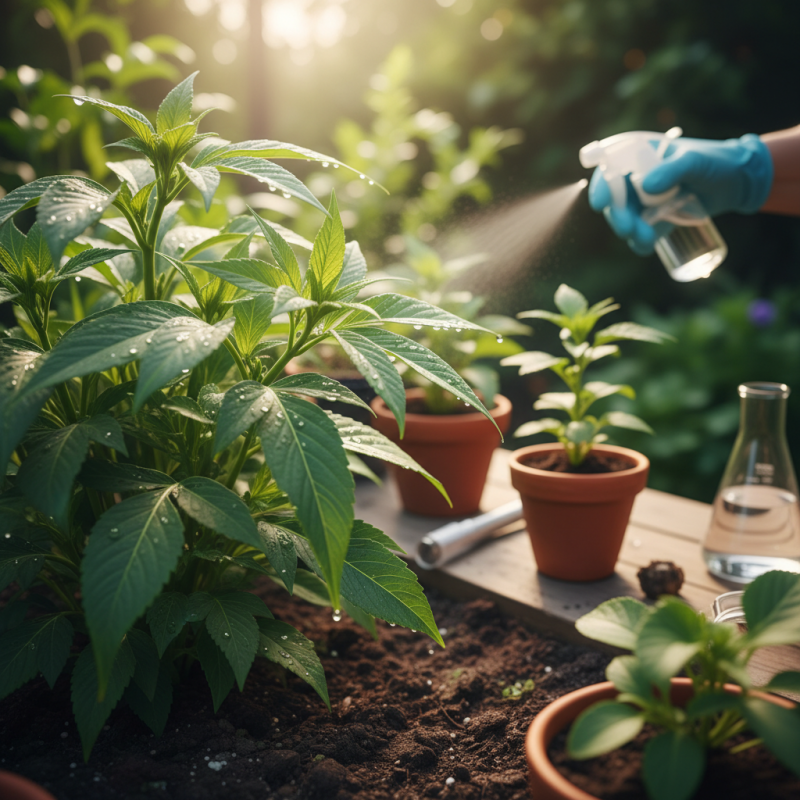
Gibberellic acid (GA3) is a powerful plant growth regulator. Preparing for its application requires careful selection of tools and materials. You will need a precision sprayer, measuring spoons, and clean containers. A pH meter can help ensure the solution is optimum for plant uptake. Research indicates that a pH level of around 5.5 to 6.0 maximizes GA3 effectiveness.
When mixing gibberellic acid, precision matters. The typical dilution is 50 to 100 ppm. Use distilled water for the best results. This step prevents impurities from affecting plant growth. A study from the Journal of Plant Growth Regulation shows that improper dilution can lead to inconsistent growth responses. Even experienced growers can face challenges in achieving the right concentration.
Safety gear is also crucial during application. Consider gloves, goggles, and a mask. While GA3 is generally safe, it’s always best to take precautions. Not all plants respond the same way. Monitoring their reaction after initial applications is key. Observing any signs of stress can help refine future applications. Growth patterns can vary significantly among species. Tracking these variations allows for a more tailored approach.
How to Use Gibberellic Acid for Optimal Plant Growth? - Preparing for Application: Tools and Materials Needed
| Item |
Description |
Quantity Needed |
Purpose |
| Gibberellic Acid |
A plant growth regulator that promotes stem elongation and fruit development. |
1-2 grams |
Main active ingredient for application. |
| Measuring Scale |
Used to accurately measure gibberellic acid. |
1 |
Ensure proper dosing. |
| Distilled Water |
Pure water to dilute gibberellic acid. |
1 liter |
Dilute the gibberellic acid for application. |
| Spray Bottle |
Container for applying the diluted solution on plants. |
1 |
Facilitates even application of the solution. |
| Safety Gloves |
Protective gloves to handle chemicals safely. |
1 pair |
Safeguard against skin contact. |
Step-by-Step Guide to Applying Gibberellic Acid
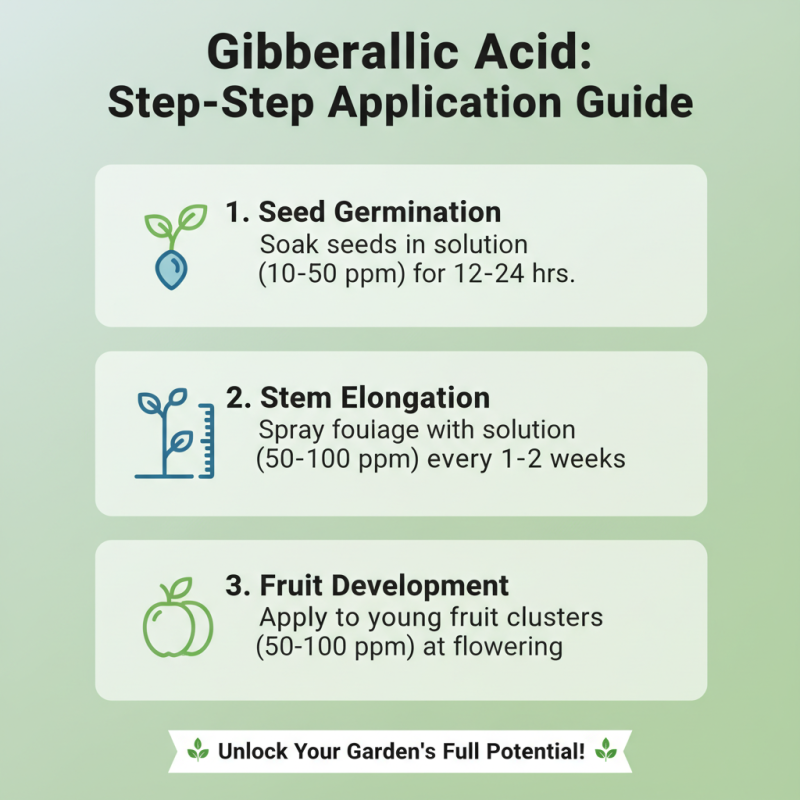
Gibberellic acid is a natural plant hormone that stimulates growth. It can enhance seed germination, stem elongation, and fruit development. Understanding how to apply it properly can lead to impressive results in your garden.
Begin by preparing a gibberellic acid solution. Mix the specified concentration with distilled water. Keep in mind, different plants may require varying concentrations. A lower dose is usually safer for beginners. Use a spray bottle for even application on leaves and stems. Timing is crucial; early morning or late afternoon are ideal times.
Observe your plants closely after application. Some may respond immediately, while others take time. Overuse can lead to stunted growth, so make adjustments as needed. Document your results to refine your techniques. Experiment with different plants to understand their unique needs. Engaging with fellow plant enthusiasts can provide additional insights and suggestions. This process is a journey of trial and error, essential for developing your skills.
Optimal Timing and Conditions for Treatment
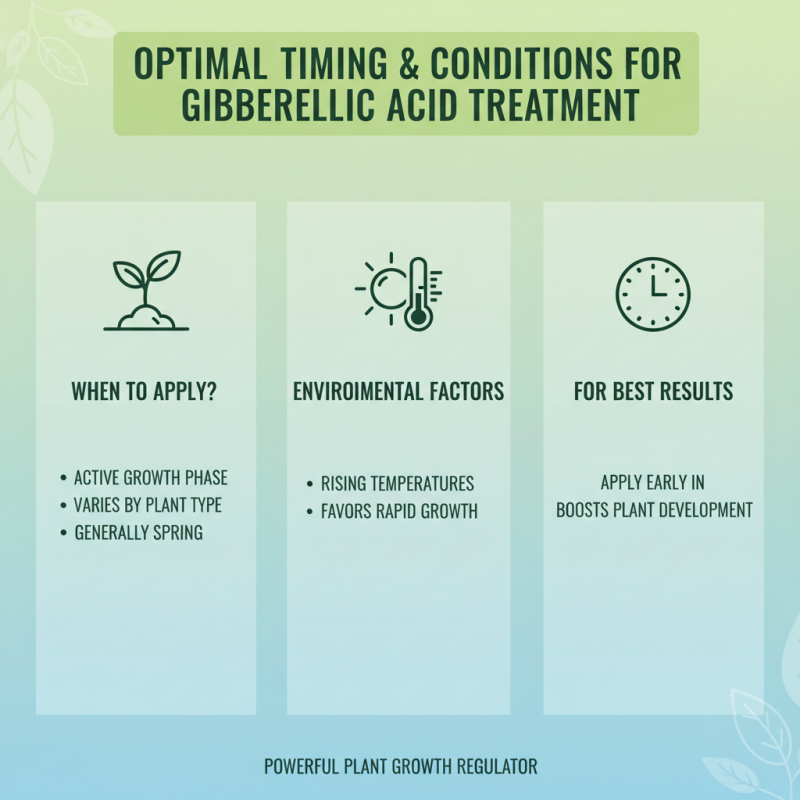
Gibberellic acid is a powerful plant growth regulator. Its effectiveness largely depends on timing and environmental conditions. Applying it during the active growth phase is optimal. This period often varies by plant type and growing season. For many plants, spring is the best time. As temperatures rise, you see a boost in growth.
The application method is vital. Foliar sprays are common, requiring mild, indirect sunlight for absorption. Early morning or late afternoon offers the best conditions. Avoid overly humid environments, as excess moisture can dilute effectiveness. Soil application can also be beneficial, especially for seeds.
Monitoring plant response is crucial. Not every application brings the desired result. Sometimes, plants may show overgrowth or stress. Adjust your approach based on these signs. Understanding how each plant species reacts is essential. Over time, you’ll find the right balance tailored to your garden’s needs.
Monitoring Plant Response and Adjusting Use of Gibberellic Acid
When using gibberellic acid (GA3), monitoring the plant's response is key for optimal growth. Different plants react differently to treatment. Start by applying a low concentration to avoid potential harm. Observe your plants closely after the application. Are the leaves healthy? Is growth visible? These indicators will guide your adjustments.
**Tips**: Use a journal to record your observations. Document specifics like leaf color, size, and overall vigor. This data can help you understand the best timing and concentration for your plants.
As the plants respond, you may need to adjust your approach. If growth is stunted, consider lowering the concentration. Conversely, if there's excessive elongation, reduce the frequency of application. Finding the right balance can be challenging. Each plant species has unique needs, and it may take time to find the optimal regimen.
**Tips**: Experiment within small plant sections. This allows you to assess various concentrations without risking the entire crop. Don't be afraid to try different timings for application as well. These small changes can make a significant impact on growth.
Impact of Gibberellic Acid on Plant Growth