How to Use Gibberellic Acid for Seed Germination?
Seed germination often looks simple: add moisture, provide warmth, and wait. In practice, dormancy, seed age, temperature, and oxygen can change the result dramatically. Gibberellic acid, commonly called GA3, may help release physiological dormancy and stimulate faster embryo growth. It is not a universal fertilizer. It is a plant growth regulator requiring careful handling.
The FAO World Food and Agriculture Statistical Yearbook 2023 highlights the continuing pressure to improve crop productivity and resource efficiency. Reliable establishment remains an important part of that challenge. Industry guidance from the International Seed Testing Association also emphasizes controlled germination conditions, replicated testing, and accurate records. These principles matter when evaluating gibberellic acid seed germination. A stronger response does not always mean healthier seedlings. Some seedlings may become tall, pale, and fragile.
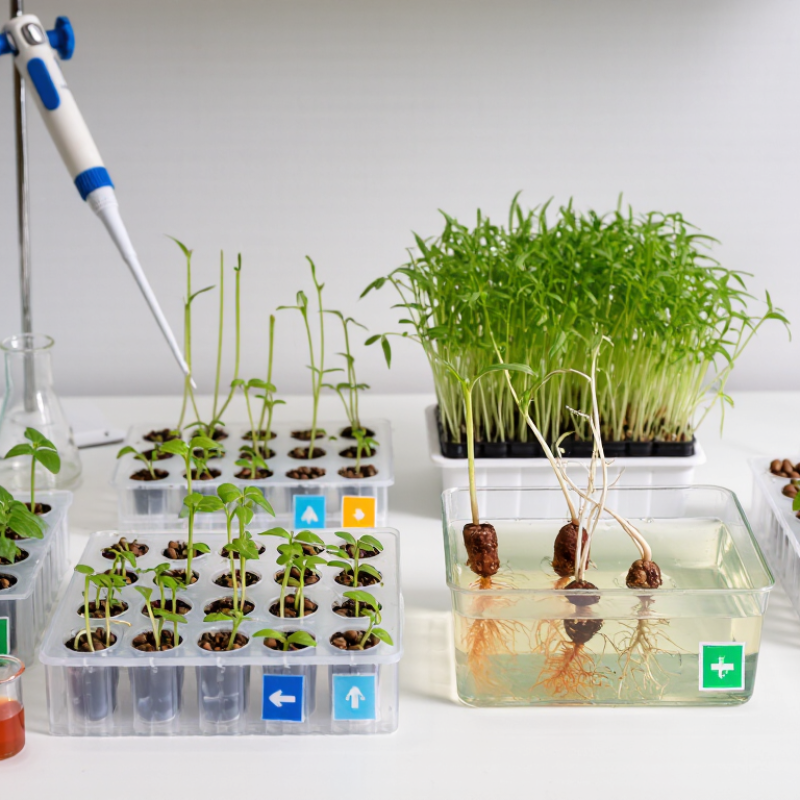
Begin with a small trial. Compare untreated seeds with several GA3 concentrations under identical conditions. A clean tray, fresh water, labeled treatments, and stable temperatures make differences easier to interpret. Follow the product label and local agricultural requirements. Concentration recommendations vary widely between lettuce, grapes, rice, ornamentals, and dormant tree seeds. Timing matters too. A brief soak may suit one species, while another needs a carefully prepared solution.
Small details matter.
Record emergence percentage, average germination time, root length, and abnormal seedlings. The USDA National Agricultural Statistics Service and FAO datasets show why consistent measurement supports dependable agricultural decisions. Still, published results cannot replace a species-specific test. That is the uncomfortable part. Gibberellic acid can improve emergence, but poor seed quality or unsuitable moisture may remain the real problem. This guide explains practical preparation, treatment choices, safety, and evaluation without promising a perfect result.
Understanding Gibberellic Acid and Its Role in Seed Germination
Gibberellic acid, often called GA3, is a plant hormone that can influence seed germination. It may help some dormant or slow-germinating seeds begin growth. During germination, GA3 can stimulate enzymes that release stored food inside the seed. This energy supports the emerging root and shoot. However, it is not a universal solution. Seeds differ greatly. Some respond well, while others show little change or become weak and elongated.
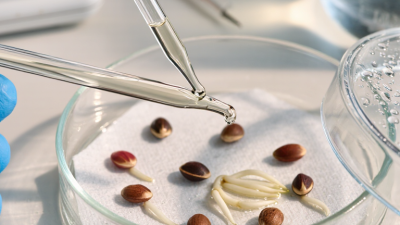
For a small trial, prepare a carefully measured solution according to reliable, species-specific guidance. A dilute range, such as 50–250 ppm, is used for some seeds, but the correct strength varies. Wear gloves, dissolve the material fully, and soak clean seeds for the recommended time. After treatment, sow them in a moist, well-drained medium. Keep temperature, light, and moisture as consistent as possible. Record the date and germination rate. A control batch without GA3 provides useful comparison.
If untreated seeds perform better, the treatment was probably too strong, too long, or simply unsuitable. My practical caution is simple: more is not better. Excess GA3 can produce tall, fragile seedlings. Results may look impressive at first, yet weaker stems can appear later. That uncertainty deserves attention.
Selecting Seeds and Preparing a Safe Gibberellic Acid Solution
Selecting the right seeds matters more than adding more gibberellic acid. Choose mature, undamaged seeds from one species and, ideally, one seed lot. Check the packaging date and discard seeds with cracks, mold, or a musty smell. Do not treat every seed the same way. Some species respond well to gibberellic acid, while others develop thin stems, weak roots, or uneven seedlings. A small test batch is wiser than treating an entire packet.
Keep the experiment controlled. Prepare untreated seeds as a comparison group. This simple step shows whether the treatment truly improves germination. Follow the product instructions and use the lowest effective concentration recommended for that plant. Measure the powder or liquid with an accurate scale or graduated tool. Guessing is risky. Dissolve it completely in a small amount of suitable solvent or warm water, according to the instructions, then dilute with clean water. Wear gloves and eye protection, and label the container clearly.
Soak seeds only for the stated time. Longer exposure may not produce better results. It can cause abnormal growth. Use a clean container, avoid splashing, and never store an unlabeled solution near food or drinking water. I would also record the date, concentration, soaking time, temperature, and germination rate. The first attempt may be uneven. That is useful information, not failure. Adjust one variable at a time, because changing everything together hides the real cause.
How to Use Gibberellic Acid for Seed Germination? - Selecting Seeds and Preparing a Safe Gibberellic Acid Solution
| Seed Type |
Seed Selection Criteria |
Recommended GA₃ Starting Range |
Suggested Soaking Time |
Basic Germination Conditions |
Practical Notes |
| Lettuce |
Use mature, clean seeds stored in a cool, dry place; avoid discolored or cracked seeds. |
10–100 mg/L (ppm) |
4–12 hours |
Moist, well-drained medium; approximately 15–22°C; light may support germination. |
Begin near 10–25 ppm because lettuce seeds can germinate readily under suitable temperature and moisture conditions. |
| Tomato |
Select fully developed seeds with uniform color and no visible mold or insect damage. |
50–200 mg/L (ppm) |
6–12 hours |
Moist medium; approximately 20–28°C; provide good airflow to reduce fungal growth. |
Use GA₃ as a supplement rather than a substitute for suitable warmth, moisture, and seed quality. |
| Sweet Pepper |
Choose fresh, mature seeds and remove debris before treatment. |
100–500 mg/L (ppm) |
8–24 hours |
Moist medium; approximately 25–30°C; avoid waterlogging. |
Higher concentrations may promote abnormal or elongated seedlings, so test a small batch first. |
| Parsley |
Use fresh seeds because parsley seed viability can decline during storage. |
100–500 mg/L (ppm) |
8–24 hours |
Keep the medium evenly moist; approximately 18–24°C; germination may be slow. |
Do not allow treated seeds to dry out after soaking; sow promptly in a clean medium. |
| Carrot |
Select plump, clean seeds from a recent seed lot whenever possible. |
50–250 mg/L (ppm) |
4–12 hours |
Fine, moist seedbed; approximately 15–25°C; maintain consistent moisture. |
Use a lower concentration first because excessive GA₃ can produce weak, elongated seedlings. |
| Seeds with Physiological Dormancy |
Use healthy, mature seeds and confirm whether species-specific cold, warm, light, or scarification treatment is required. |
250–500 mg/L (ppm) as a trial range |
12–24 hours |
Follow the species’ temperature and light requirements; use sterile, well-drained media. |
GA₃ does not replace required dormancy treatments for every species. Test several concentrations on a small sample. |
| Target GA₃ Concentration |
GA₃ Needed for 100 mL Final Solution |
GA₃ Needed for 1 L Final Solution |
Typical Use |
| 10 ppm |
1 mg |
10 mg |
Low-concentration trial for readily germinating or sensitive seeds. |
| 25 ppm |
2.5 mg |
25 mg |
Low-strength starting treatment. |
| 50 ppm |
5 mg |
50 mg |
Common starting point for a small germination test. |
| 100 ppm |
10 mg |
100 mg |
Moderate treatment for some vegetable and ornamental seeds. |
| 250 ppm |
25 mg |
250 mg |
Higher trial concentration for seeds with stronger dormancy. |
| 500 ppm |
50 mg |
500 mg |
Upper trial range commonly used for selected dormant seeds; monitor seedlings carefully. |
Safe preparation method: Measure the required amount of GA₃ accurately, dissolve it first in a small volume of suitable solvent such as ethanol, and then add distilled water until the final volume is reached. If a dilute alkaline solution is used to improve dissolution, follow the product safety data sheet and use appropriate eye and skin protection. Do not mix GA₃ with concentrated chemicals, do not exceed the intended final volume, and label the solution with its concentration and preparation date.
Important: The concentrations above are practical starting ranges, not universal requirements. Perform a small germination test with untreated seeds as a control, and compare germination percentage, germination speed, and seedling quality before treating a larger batch.
Applying Gibberellic Acid to Seeds Step by Step
How to Use Gibberellic Acid for Seed Germination?
Applying gibberellic acid to seeds begins with a small, measured batch. Choose clean, viable seeds and remove dust gently. Prepare a low concentration, such as 50–100 milligrams per litre, unless crop research recommends otherwise. I would not treat 100 milligrams per litre as a universal recipe. Some seeds respond well, while others produce thin, stretched seedlings. Measure the powder with a calibrated scale, wear gloves and eye protection, and follow local handling requirements. Soak seeds for four to twelve hours at room temperature. Keep the container shaded. Then drain and rinse them with clean water before sowing.
Use a sterile, moist medium, not saturated soil. Plant immediately, following the crop’s normal depth and temperature requirements. Label treated and untreated groups clearly. This comparison matters. The International Seed Testing Association recommends controlled germination tests with consistent moisture, temperature, and counting dates. Record emergence daily, including abnormal seedlings. A 2023 FAO statistical yearbook reported global cereal production above 3 billion tonnes in 2022, showing why small improvements can matter commercially. However, that figure does not prove gibberellic acid improves every crop. My practical mistake would be increasing concentration after one poor result. Poor seed storage, dormancy, or excessive moisture may be the real cause. Test several concentrations, include untreated seeds, and review results after seven to fourteen days. Some seeds need stratification or scarification instead.
Controlling Moisture, Temperature, and Light After Treatment
How to Use Gibberellic Acid for Seed Germination?
Gibberellic acid can break dormancy, but it does not replace good seed handling. After treatment, sow seeds into a clean, evenly moist medium. The surface should feel cool and damp, never muddy. Excess water removes oxygen around the embryo. It also encourages fungal growth. The International Seed Testing Association emphasizes controlled moisture and species-specific testing conditions in its International Rules for Seed Testing.
Temperature needs steady control. Most treated seeds respond poorly to sharp day-night changes. Follow the crop’s recommended range, rather than using a universal setting. A small thermometer at seed level is more useful than room temperature readings. For example, a 5°C shift can slow emergence or produce uneven seedlings in sensitive species. USDA Federal Seed Act standards list crop-specific germination minimums, often near 75–80%, but these figures do not guarantee treated-seed performance.
Light depends on the species, not the chemical. Some seeds need light after sowing, while others germinate better in darkness. Check the crop protocol before covering the tray. Use gentle light after emergence, with enough airflow to prevent stretched stems. I have seen growers keep treated trays too wet because they fear drying. That habit often causes more damage than brief surface dryness. Record moisture, temperature, and emergence each day. The record may expose mistakes that memory hides.
Monitoring Germination and Evaluating Treatment Results
Treat gibberellic acid as a variable, not a guaranteed shortcut.
Record species, seed lot, moisture, temperature, concentration, and soaking time. Use a water-treated control. Keep light and substrate conditions identical.
ISTA’s International Rules for Seed Testing 2024 emphasize standardized conditions and normal-seedling counts. For many species, official tests use 400 seeds, commonly arranged as four replicates of 100. Smaller pilots can use four replicates of 25 seeds, but confidence will be lower. That limitation matters.
Check each dish at the same hour. Record radicle emergence, final germination, abnormal seedlings, dead seeds, and contamination. Photograph representative seedlings beside a scale. Calculate germination percentage, mean germination time, and the difference from control.
Do not judge success from faster emergence alone.
A treatment may accelerate radicles yet increase weak or abnormal seedlings. Compare replicate means and variation, not the best tray.
One pilot might show 82% germination in control and 88% after treatment. However, abnormal seedlings could rise from 4% to 13%. That is not a clear improvement.
Published seed-testing reports show strong species and cultivar differences, so repeating the test is essential. Report the raw counts. Do not hide failures.