Why Do Tomato Plants Thrive with Gibberellic Acid?
Tomato plants exhibit remarkable growth when treated with gibberellic acid. This plant hormone plays a crucial role in their development. Gibberellic acid tomato plants often show enhanced stem elongation, improved flowering, and greater fruit set. These effects can lead to increased yields for growers.
The application of gibberellic acid affects several growth processes. For instance, it influences cell division and elongation. As a result, the overall growth vigor of the tomato plants improves. However, the use of gibberellic acid is not without potential drawbacks. Excessive application may lead to undesired outcomes. These can include weaker stems or delayed maturity.
Understanding how gibberellic acid works is vital. Research suggests it alters gene expression, promoting specific traits. Knowledge of this hormone empowers gardeners and farmers alike. They can maximize crop potential while minimizing risks. Ultimately, the relationship between gibberellic acid and tomato plants warrants further exploration.
Understanding Gibberellic Acid and Its Role in Plant Growth
Understanding Gibberellic Acid and Its Role in Plant Growth
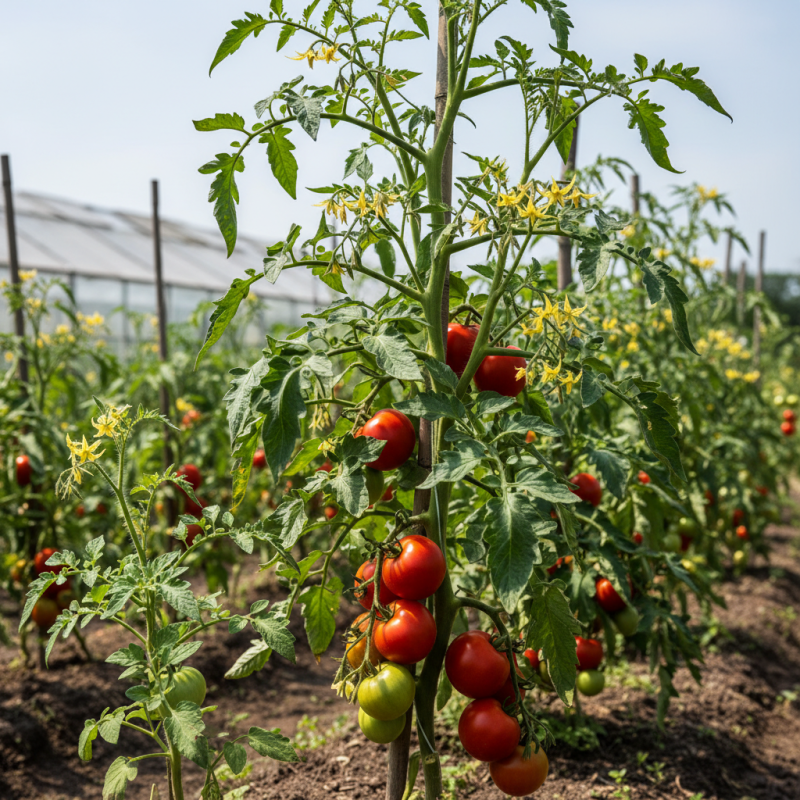
Gibberellic acid is a plant hormone that significantly affects growth. It promotes cell elongation, leading to taller and stronger plants. Tomato plants are particularly responsive to this hormone. When gibberellic acid is applied, they often show enhanced growth rates. This reaction showcases the intricate balance of hormonal interactions in plants.
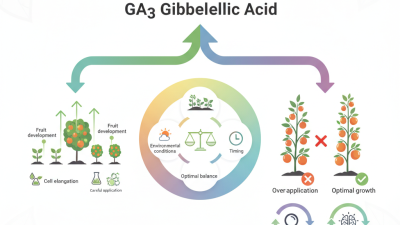
In addition to height, gibberellic acid influences flowering and fruiting. It can alter the timing of these processes, making it easier to manage harvests. However, it is crucial to apply it correctly. Overuse can lead to weak stems and poor fruit quality. Farmers and gardeners must experiment to find the right concentration. Observation and adjustment are key in this process.
Challenges can arise when using gibberellic acid. Not all plants respond similarly. Some may thrive while others exhibit stunted growth. Understanding individual plant needs is essential. A tailored approach is often needed, ensuring the best results. Awareness of these factors fosters a deeper connection between growers and their plants.
The Biological Mechanism Behind Gibberellic Acid Action in Tomato Plants
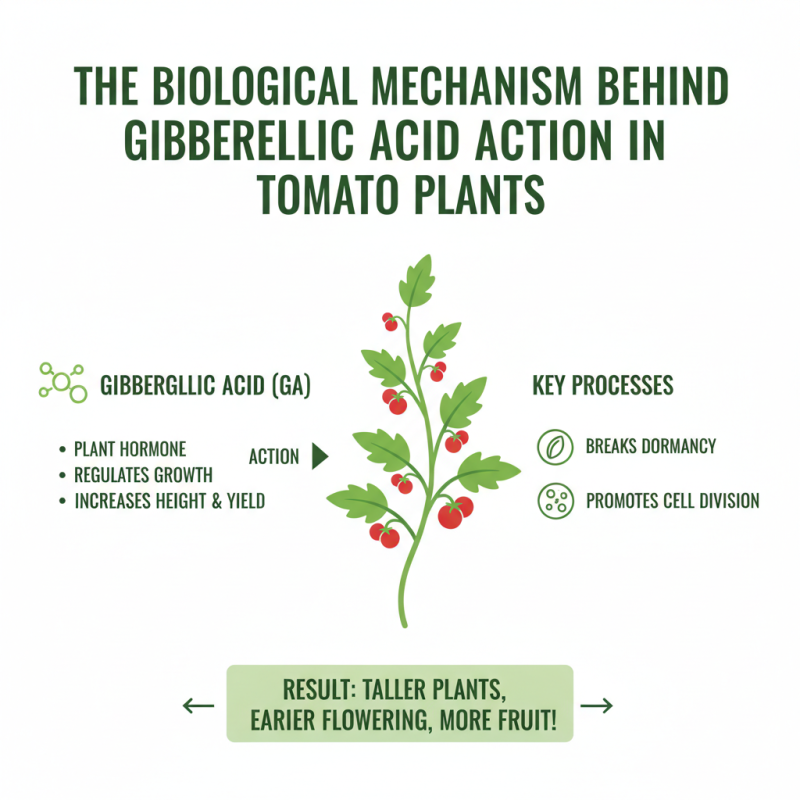
Gibberellic acid (GA) plays a crucial role in the growth of tomato plants. This plant hormone regulates various developmental processes, particularly stem elongation and flowering. It works by breaking dormancy and promoting cell division. When applied to tomato plants, GA can lead to increased height and fruit yield. This transformation seems magical, yet it follows predictable biological pathways.
GA stimulates gene expression associated with growth. It influences enzymes that degrade cell wall components, making cells expand. This mechanism helps tomato plants grow under diverse conditions. However, the effectiveness varies based on the plant's genetic makeup and environmental factors. Overuse of GA can lead to unintended consequences, like weak stems or poor fruit quality.
Despite its benefits, reliance on gibberellic acid poses challenges. Knowing the right dosage is essential for optimal growth. Too little may not yield results, while too much can create fragile plants. Researchers continue to explore these dynamics, seeking a balanced approach to plant growth. Understanding these intricacies reminds us that the science of growth is complex.
Effects of Gibberellic Acid on Tomato Plant Development and Yield
Gibberellic acid (GA3) significantly influences tomato plant growth. Research indicates that it enhances germination rates by up to 30%. This growth hormone promotes cell elongation, leading to taller plants with stronger stems. When tomato plants receive GA3, they often exhibit improved foliage. Healthier leaves translate to increased photosynthesis, supporting overall vigor.
In terms of yield, studies show that GA3 can increase fruit size by approximately 20%. Farmers using this hormone report larger harvests and improved fruit quality. The hormone's role in regulating flowering and fruit set is crucial. It helps synchronize flowering, resulting in more uniform fruit development.
Tips: Proper timing of GA3 application is crucial. Applying it too early may hinder natural growth patterns. Ensure your application rates align with research guidelines to avoid adverse effects.
Monitoring plant health after treatment is essential. Look for signs of stress or uneven growth. This will help refine future practices and improve outcomes.
Effects of Gibberellic Acid on Tomato Plant Development and Yield
| Parameter |
Control Group (No GA3) |
Gibberellic Acid Group |
| Plant Height (cm) |
30 |
45 |
| Number of Leaves |
12 |
20 |
| Fruit Yield (kg/plant) |
2.5 |
4.0 |
| Days to Flowering |
60 |
50 |
| Fruit Size (g) |
100 |
150 |
Optimal Application Rates and Methods for Gibberellic Acid in Tomatoes
Gibberellic acid is a natural plant hormone that promotes growth. When applied correctly, it significantly enhances the development of tomato plants. Many growers report improved fruit size and increased yields. Understanding the right application rates is crucial for maximizing these benefits.
For optimal results, a concentration of 50 to 100 parts per million (ppm) is generally effective. Higher doses may lead to undesirable effects, such as excessive elongation of stems. Timing the application is also key; applying it during the early growth stages can lead to more robust plants. It's best applied as a foliar spray, ensuring even coverage on the leaves.
Growers should monitor their plants after application. Overuse or misuse can lead to poor results. Observing the plants for signs of stress or abnormal growth can provide insights. Adjusting application methods based on observation contributes to better outcomes. Each growing season offers a chance to refine these practices, ensuring continual improvement.
Impact of Gibberellic Acid on Tomato Plant Growth
The chart above illustrates the impact of varying doses of Gibberellic Acid on the average height increase of tomato plants. As the dosage increases, a significant improvement in plant growth is observed, highlighting the effectiveness of Gibberellic Acid as a growth regulator in tomato cultivation.
Comparative Studies: Gibberellic Acid vs. Other Growth Regulators in Tomatoes
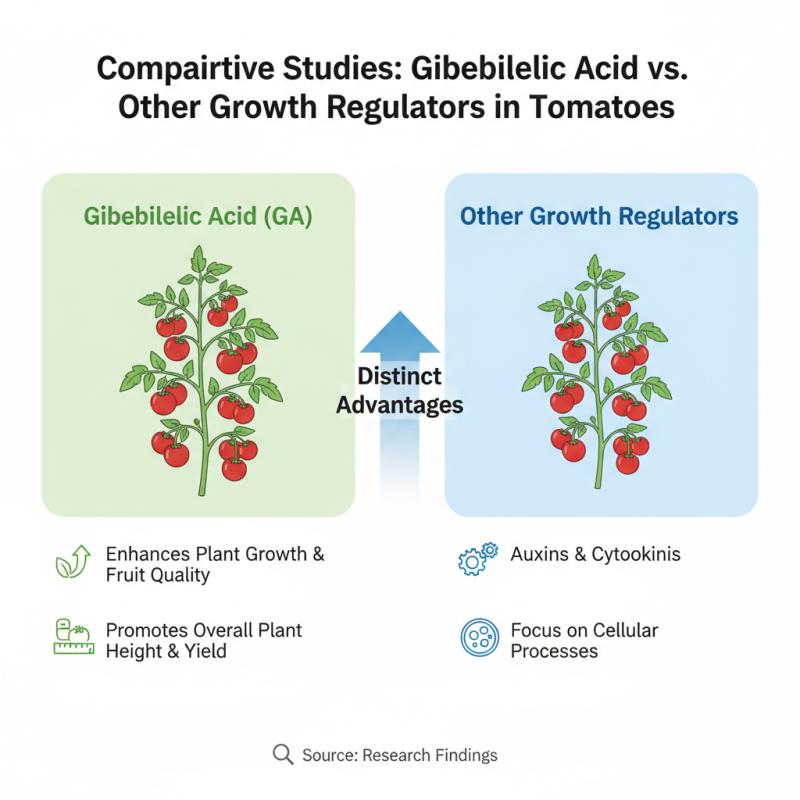
Gibberellic Acid (GA) has gained attention in tomato cultivation for its unique ability to enhance plant growth and fruit quality. Research comparing GA to other growth regulators reveals distinct advantages. While auxins and cytokinins focus on cellular processes, GA promotes overall plant height and yield.
In studies, GA application led to taller plants with more abundant flowers. This resulted in increased fruit sets compared to untreated plants. However, using GA requires precision. Over-application can lead to excessive growth, making plants susceptible to diseases and environmental stress. Balance is key in achieving optimal results.
Tips: When using GA, start with lower concentrations. Observe how your plants respond. Monitor growth rates closely to adjust applications as needed. Regularly assess plant health to avoid overgrowth issues. Each garden is unique, so adapt your methods accordingly. Keep notes on your successes and setbacks for future reference.