How to Use Gibberellic Acid for Tomato Plants Growth?
Gibberellic acid is a powerful plant growth regulator, particularly beneficial for tomato plants. Research shows that this compound can boost plant height, increase fruit size, and enhance yield. According to a study conducted by the American Society for Horticultural Science, using gibberellic acid on tomato plants can improve overall growth by up to 30%. However, it's essential to apply it correctly.
Many gardeners may struggle with dosage and timing. Too much gibberellic acid can lead to weak stems or elongated growth, impacting plant health. Experts suggest starting with lower concentrations to observe plant responses. Observational data indicates that specific varieties of tomato plants respond differently. A tailored approach is crucial for maximizing benefits.
Achieving optimal growth requires understanding plant needs. Recognizing environmental factors like temperature and humidity can impact the effectiveness of gibberellic acid. The right balance will ultimately lead to healthier, more productive plants.
Understanding Gibberellic Acid and Its Role in Plant Growth
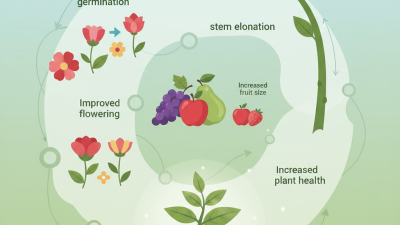
Gibberellic acid (GA) is a plant hormone that promotes growth. It plays a critical role in various developmental processes in plants, including seed germination and stem elongation. Understanding its application can significantly enhance tomato plant growth.
Applying gibberellic acid to tomato plants can lead to improved fruit set and size. It encourages the plant to produce more flowers, resulting in higher yields. However, improper use can lead to overly elongated stems and weak plants. It's essential to follow guidelines on concentration and timing when applying GA to avoid negative effects.
Gibberellic acid works by stimulating gene expression related to growth. This hormone can also help in overcoming dormancy in seeds, promoting timely germination. While the benefits are clear, caution is needed to balance growth without compromising plant health. Experimentation and observation can lead to better understanding of this powerful tool.
Benefits of Using Gibberellic Acid on Tomato Plants
Gibberellic Acid (GA3) is a powerful plant growth regulator. It can significantly boost the growth of tomato plants. When applied correctly, it promotes stem elongation and increases fruit size. This can lead to a more abundant harvest.
Using GA3 on tomato plants has several benefits. One key advantage is its ability to enhance germination rates. Seeds treated with GA3 often sprout faster and show higher vitality. Additionally, it helps increase flowering rates, leading to more fruits. The result? A thriving tomato garden filled with vibrant plants.
However, improper use of GA3 can lead to issues. Over-application might cause excessive growth, making plants weak. It's crucial to follow the recommended dosage. Observing your plants is essential. Note how they respond to treatments. Reflecting on your methods can help improve future results and ensure a bountiful harvest.
Recommended Application Methods for Gibberellic Acid
Gibberellic acid (GA3) is a powerful plant hormone used to enhance tomato growth. Many studies highlight its effectiveness in promoting elongation and fruit set. A research report from the University of Florida showed a 20% increase in tomato yield with GA3 application. Using the right methods for application can make a significant difference in results.
The most common application methods include foliar sprays and soil drenching. Foliar sprays allow for direct absorption through the leaves. A concentration of 100 to 200 ppm is often recommended for optimal results. This method can lead to quicker responses in plant growth. Soil drenching involves mixing GA3 with water and applying it directly to the soil. This method targets root systems, fostering healthy development.
Timing is crucial. Applying GA3 during specific growth phases enhances effectiveness. For example, applications just before flowering can increase fruit set significantly. However, overapplication can lead to unwanted results. Observing your plants frequently is essential. Not all tomato varieties react the same way to gibberellic acid. Individual plant needs can vary, leading to different outcomes. It’s vital to adjust application strategies based on specific observations and results.
Impact of Gibberellic Acid Application on Tomato Plant Growth
Timing and Dosage for Optimal Results in Tomato Cultivation
Timing and dosage are critical aspects when using gibberellic acid for tomato plants. Applying gibberellic acid at the right time can significantly boost growth. For optimal results, consider applying it during the early stages of growth. This timing encourages robust stem elongation and leaf expansion. Freshly germinated seedlings often benefit most from this treatment.
Dosage is just as important as timing. A common recommendation is to dilute gibberellic acid in water to a concentration of 50 to 100 ppm. Applying this solution once a week can enhance growth rates. Over-application can lead to adverse effects, including excessive leaf growth or weakened stems. Always monitor the plants for signs of stress or abnormal growth patterns. Adjusting dosage based on the plant's response is essential for success.
It's necessary to remember that every garden environment is unique. Factors like soil quality, light, and humidity can influence results. Sometimes, results fall short of expectations. Observing the effects on your plants over time provides valuable insights for future applications. Learning from each growing season can sharpen your skills as a gardener.
Potential Side Effects and Precautions When Using Gibberellic Acid
Using Gibberellic Acid can boost tomato plant growth significantly. However, it’s essential to understand the potential side effects and take precautions. Overuse can lead to excessive growth, poor fruit quality, and increased susceptibility to diseases. Excessive hormone application may also cause leggy plants with weak stems, making them prone to breakage.
Here are some tips to consider. Start with a low concentration. Test on a small batch before wider application. Monitor the plants closely for any adverse effects. It’s wise to apply in early stages of growth. This timing helps maximize benefits without overwhelming the plant system.
Avoid using Gibberellic Acid during stress periods, such as drought or extreme temperatures. The plants may react negatively. Keep in mind that not all tomato varieties respond equally. Some may display unexpected growth patterns. Always stay observant and adjust your approach as needed. Learning from each application will help refine your technique over time.
How to Use Gibberellic Acid for Tomato Plants Growth? - Potential Side Effects and Precautions When Using Gibberellic Acid
| Aspect |
Details |
| Recommended Concentration |
50-200 ppm (parts per million) |
| Application Method |
Foliar spray or soil drench |
| Timing of Application |
During seed germination or early vegetative stage |
| Effects on Growth |
Enhanced germination, increased fruit size, and improved flowering |
| Potential Side Effects |
Excessive growth, hormone imbalance, and uneven fruit development |
| Precautions |
Avoid over-application; follow manufacturer guidelines; wear protective gear when handling |
| Storage Conditions |
Store in a cool, dry place away from sunlight |
| Alternatives |
Natural plant hormones, organic fertilizers |