How to Use Gibberellic Acid 20 for Maximum Plant Growth?
Gibberellic acid 20 (GA20) is a vital growth regulator widely used in agriculture. Numerous studies have shown its effectiveness in increasing plant height, seed germination, and overall yield. According to the American Society of Horticultural Science, proper use of GA20 can enhance growth rates by up to 20% in specific crops. This makes it a powerful tool for farmers.
Applying gibberellic acid 20 effectively requires knowledge and technique. It’s important to note that over-application can lead to undesirable effects, such as excessive growth or compromised plant structure. For instance, a report from the Journal of Agricultural Research highlights that improper dosages can result in weak stems, forcing plants to require more support.
Understanding the balance is key. Soil type, humidity, and crop variety all influence how GA20 impacts growth. Research suggests that calibrating the application based on these factors can optimize results. Farmers must remain diligent and adjust their methods based on observed plant responses. In doing so, they can harness the full potential of gibberellic acid 20 for maximum plant growth.
Understanding Gibberellic Acid 20 and Its Role in Plant Growth
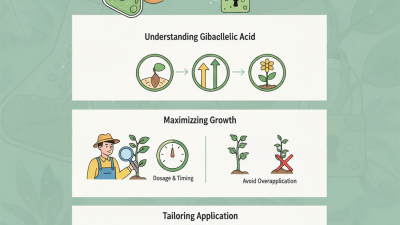
Gibberellic Acid 20 plays a significant role in plant growth. This naturally occurring plant hormone influences various biological processes. It promotes cell elongation, seed germination, and flowering. Understanding its function can enhance your gardening and agricultural efforts.
Applying Gibberellic Acid 20 requires careful consideration. Start with accurate dosages, as excess can cause unwanted growth. Dilute it according to guidelines to prevent harm. For instance, a solution of 10 to 20 ppm often works well for most plants. Mist leaves or apply it to the soil for optimal absorption.
Monitoring plant response is crucial. Some may exhibit rapid growth, while others could react poorly. Observe your plants for signs of stress. Adjust your application technique if necessary. Keep notes on your experiences to refine future usage. Each plant has unique needs, and what works for one might not for another. This ongoing observation leads to better horticultural practices.
Proper Application Methods for Gibberellic Acid 20
When using Gibberellic Acid 20, understanding proper application methods is crucial. This growth hormone can significantly enhance plant size and yield. However, it’s important to apply it correctly for effective results. Start by diluting Gibberellic Acid in water. Use a spray bottle for easy application. Target leaves and stems, avoiding roots. Mist the plants in the early morning or late afternoon to prevent sun damage.
Timing matters too. Applying during the active growth phase yields better results. Monitor environmental conditions like temperature and humidity. Extreme weather can affect absorption. Over-application may lead to adverse effects, such as elongated stems or weak plants. Always test on a small group first. Adjust the concentration based on plant responses.
Some plants may react differently. Keep a journal to track changes. This helps identify what works best. Additionally, observe plants for signs of stress after application. Adjust your methods as needed. Experimentation is key to mastering Gibberellic Acid use. With careful observation, success is achievable.
Optimal Concentrations of Gibberellic Acid 20 for Different Plants
Gibberellic Acid 20 is a powerful growth regulator for various plants. Finding the right concentration is crucial for optimal plant development. Different plants have unique responses to GA3, and adjusting the concentration can lead to better results. For instance, many leafy vegetables thrive at a concentration of 50-100 ppm, promoting leaf expansion and vigor.
Fruiting plants, like tomatoes or cucumbers, usually benefit from a slightly higher concentration, around 100-200 ppm. This allows for increased flowering and fruit set. Be cautious with sensitive species, as too much gibberellic acid can lead to excessive growth or abnormal characteristics. Testing various concentrations on small batches can offer insights before applying them broadly.
Monitoring the plants after application is essential. Look for any signs of stress, such as wilting or uneven growth. Each plant species may require fine-tuning, and maintaining a journal can help document what works best. This iterative process emphasizes the need for patience and observation. Remember, even experienced growers face challenges when using growth regulators.
Timing and Frequency of Gibberellic Acid 20 Application
Gibberellic Acid 20 can significantly enhance plant growth, but timing and frequency are crucial for effective application. Begin by assessing your plants’ growth stage. Early in the growing season is often the best time. This allows the plants to maximize the benefits as they enter their active growth phase. Applying too early or too late can lead to reduced effectiveness.
Ensure that you apply Gibberellic Acid 20 every four to six weeks for optimal results. Overapplication can cause plants to grow too rapidly, leading to weak stems. Pay attention to how your plants respond to treatment. If they start to show signs of stress, it may be time to adjust your schedule. Not all plants react the same way.
One effective approach is to use a foliar spray method. Mix the solution with water and apply it directly to the leaves. This method allows for quicker absorption. Monitor the weather conditions to avoid applying during rainy days, which can dilute the solution. Adjust your frequency based on the plant’s needs and growth response for better outcomes. Remember to document your application times and plant reactions for future reference.
Monitoring Plant Response to Gibberellic Acid 20 Treatment
When using Gibberellic Acid 20, monitoring plant responses is crucial. Start by observing growth patterns and leaf development. This plant growth regulator can enhance stem elongation. Yet, not all plants respond the same way. Some may show excessive stretch, while others remain compact.
Regular assessments help determine the right concentration. Measure height and leaf size at different intervals. Record environmental conditions as they impact the effectiveness of the treatment. Excessive application can lead to weakened structures, causing plants to flop over.
It's also essential to track changes in flowering times. Gibberellic Acid can induce earlier blooms. However, if the timing is too far from the natural cycle, it may disrupt pollination. Observing interactions among plants treated with varying doses can provide insights into optimal use. Understanding these nuances will improve your gardening experience, making plant care more rewarding.
How to Use Gibberellic Acid 20 for Maximum Plant Growth? - Monitoring Plant Response to Gibberellic Acid 20 Treatment
| Plant Type |
Concentration (ppm) |
Growth Rate (% increase) |
Leaf Area (cm²) |
Days Post Treatment |
| Tomato |
50 |
35 |
300 |
14 |
| Cucumber |
60 |
40 |
280 |
10 |
| Barley |
70 |
50 |
250 |
12 |
| Lettuce |
30 |
25 |
320 |
7 |
| Pepper |
40 |
30 |
290 |
15 |