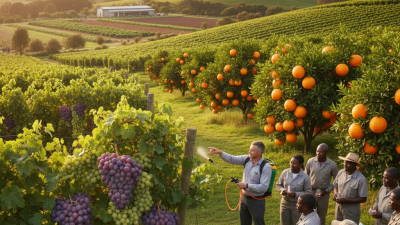
Why Use Gibberellic Acid for Citrus Growth?
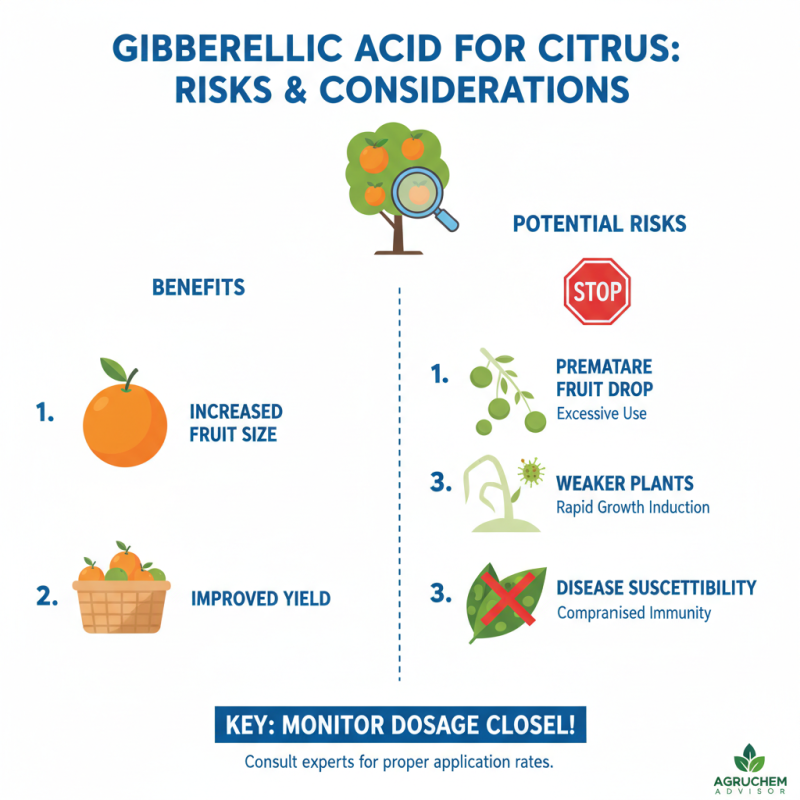
Gibberellic acid is a natural plant growth regulator widely used in agriculture. Its role in enhancing citrus growth is gaining attention among growers. Gibberellic acid citrus applications can lead to improved fruit size and yield.
The effectiveness of gibberellic acid in citrus cultivation comes from its ability to stimulate cell division and elongation. This process can result in larger and more robust fruit. Farmers have reported noticeable differences in their citrus crops. However, the timing and dosage of application must be precise. Overuse can lead to undesirable effects such as uneven growth or pests.
Growers must consider environmental factors when using gibberellic acid. Conditions like temperature and humidity influence its efficacy. It is essential to conduct trials to gauge the best techniques for specific citrus varieties. There may not be a one-size-fits-all approach. Continuous learning and adaptation are crucial to maximizing benefits.
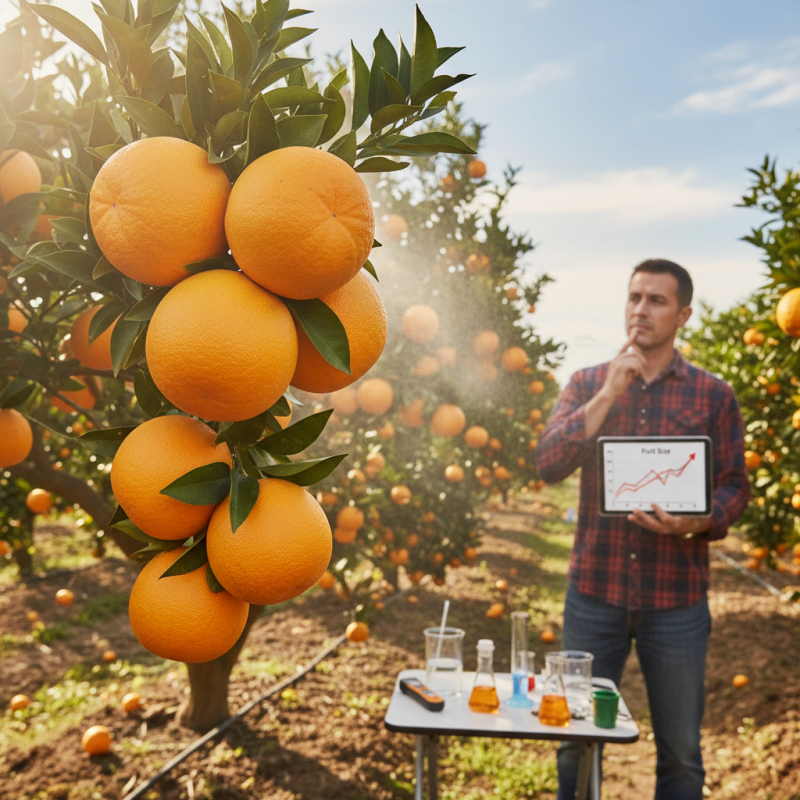
Understanding Gibberellic Acid and Its Role in Plant Growth
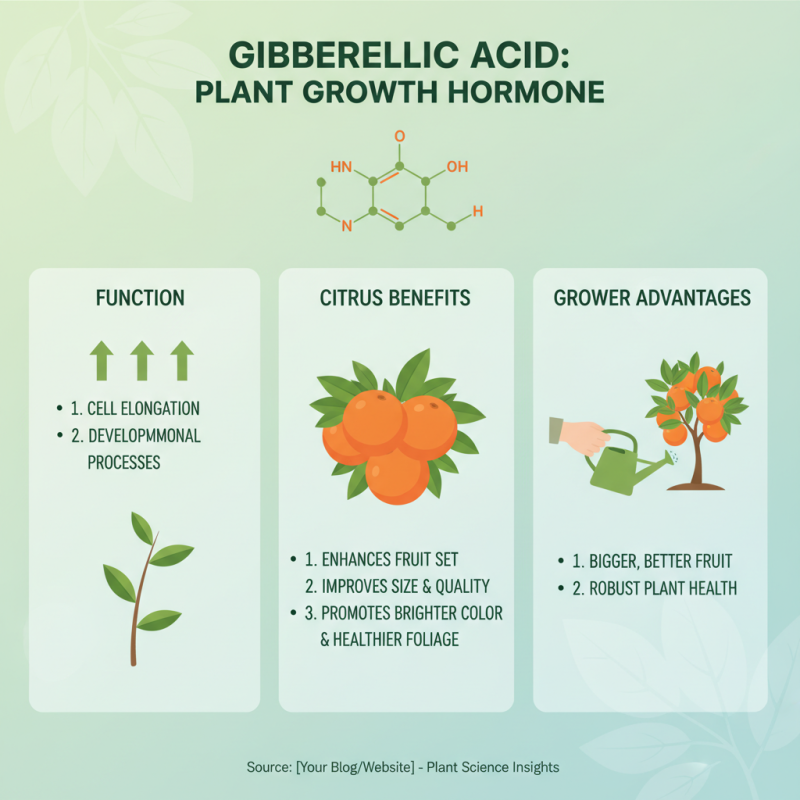
Gibberellic acid (GA) is a natural plant hormone that plays a crucial role in growth. It promotes cell elongation and helps with various developmental processes. Citrus trees, in particular, benefit significantly from this compound. GA can enhance fruit set and improve size and quality. Growers often notice the vibrant colors of the fruit and healthier foliage.
Understanding how gibberellic acid works is essential for successful citrus cultivation. It acts on the genetic level, influencing the expression of growth-related genes. This interaction can lead to better flowering and fruit retention. However, overuse can lead to problems like excessive growth or irregular fruit development. Each application must be carefully considered.
Farmers might encounter challenges while using GA. Weather conditions can affect its efficacy. Soil health and tree age are also important factors. Striking a balance is vital. Monitoring growth response after GA application can yield valuable insights. Adjusting techniques based on observations can enhance outcomes. Experimentation is often necessary for optimal results.
Effect of Gibberellic Acid on Citrus Growth and Development
Gibberellic acid (GA) plays a vital role in enhancing citrus growth and development. Research shows that GA can significantly increase fruit size and overall yield. For instance, a study indicated that GA applications boosted lemon fruit weight by up to 35%. This reflects its potential to positively affect marketable yield.
Citrus trees can benefit from GA during various growth stages. The application of gibberellic acid can encourage flowering and fruit set. Reports highlight that trees treated with GA had more uniform flowering and reduced the time from flowering to fruit maturity. This can lead to better quality citrus with fewer developmental disorders.
While the effects of gibberellic acid are promising, results can vary based on several factors. Soil type, weather conditions, and application timing all influence its effectiveness. Therefore, citrus growers must consider these variables when utilizing GA. Careful monitoring and adaptation are crucial for achieving optimal growth results.
Why Use Gibberellic Acid for Citrus Growth?
| Aspect |
Effect of Gibberellic Acid |
| Fruit Size |
Increases fruit size and weight significantly. |
| Flowering Time |
Promotes earlier flowering in certain citrus varieties. |
| Seed Development |
Enhances seed development leading to better fruit quality. |
| Leaf Growth |
Stimulates leaf expansion and overall plant vigor. |
| Ripening |
Accelerates the ripening process of citrus fruits. |
Application Methods of Gibberellic Acid for Citrus Plants
Gibberellic acid (GA3) is a plant hormone that enhances citrus growth. It promotes cell expansion, leading to larger fruits and improved yields. The method of application can greatly influence its effectiveness.
Foliar spraying of gibberellic acid is common among growers. It involves mixing the acid with water and applying it directly to the leaves. This method ensures quicker absorption. However, improper concentrations can cause leaf burn. It requires careful calibration to avoid damage.
Soil application is another effective approach. Here, GA is mixed into the soil where roots can absorb it. This method provides a steady release over time. Growers often prefer this for sustained growth. Yet, it may take longer to see results. Monitoring soil health is crucial during this process.
Both methods require attention to detail. The timing of application can also affect results. Using GA3 during flowering can enhance fruit set. However, overuse can lead to diminished hormonal balance in the plants. Engaging in regular observation can help in fine-tuning the application process for optimal outcomes.
Benefits of Using Gibberellic Acid in Citrus Cultivation
Gibberellic acid (GA3) is gaining traction in citrus cultivation. This plant hormone plays a vital role in promoting growth and enhancing fruit development. Studies show that using GA3 can lead to increased fruit size and yield. For example, research suggests that applying GA3 can boost citrus fruit size by nearly 20%. This growth reflects the hormone's capacity to influence various physiological processes.
Moreover, GA3 helps in breaking dormancy in citrus trees. This feature is crucial for early blooming and ensures that trees fully utilize growing seasons. Reports indicate that treated trees may produce blossoms up to three weeks earlier compared to untreated ones. This advance can result in more competitive market timing and reduced losses due to environmental stressors.
However, caution is warranted. Over-application of gibberellic acid can lead to fruit drop or irregular growth patterns. Farmers must find the right balance to avoid these issues. Consulting with experts who have field experience is essential. Understanding local environmental conditions also plays a key role in gauging the effectiveness of GA3. By integrating sound practices and ongoing research findings, growers can enhance their citrus production sustainably.
Impact of Gibberellic Acid on Citrus Growth
This chart illustrates the growth of citrus trees measured in centimeters over a period of six months, showcasing the beneficial effects of Gibberellic Acid on their height.