
site_4bbb466c-cafd-4edb-8869-71ed8e60d33a
Excellence in PGR technology
China Top Chamomile Extract Suppliers for Global Buyers
China has become an important sourcing base for Chamomile Extract used in supplements, cosmetics, teas, and functional formulations. However, global buyers should assess more than price, packaging, or production capacity. Botanical identity matters. Reliable suppliers should clearly specify Matricaria chamomilla or Chamaemelum nobile, depending on the product requirement.
Dr. James A. Duke, a respected herbal researcher, described chamomile as “one of the most popular herbs in the world.” That popularity creates opportunity, but it also demands careful verification. Buyers should request a current certificate of analysis, extraction details, marker compounds such as apigenin, and evidence of batch traceability. Testing for pesticides, heavy metals, microbial contamination, and residual solvents should be transparent. GMP or ISO-based production systems can strengthen confidence, though certificates alone do not prove consistent quality.
Small details reveal supplier experience. Look for sealed sample bags, readable lot numbers, stable color, and a clean botanical aroma. Ask whether the supplier controls raw-material storage during humid seasons. Request a pilot sample before signing a large contract. A low price can look attractive. It can also hide weak standardization or unstable sourcing. No supplier is perfect, and buyers should not pretend that one audit answers every question. China’s best Chamomile Extract suppliers combine technical documentation, responsive communication, and repeatable production. This guide examines how global buyers can compare them with practical evidence, realistic expectations, and a willingness to question impressive claims.
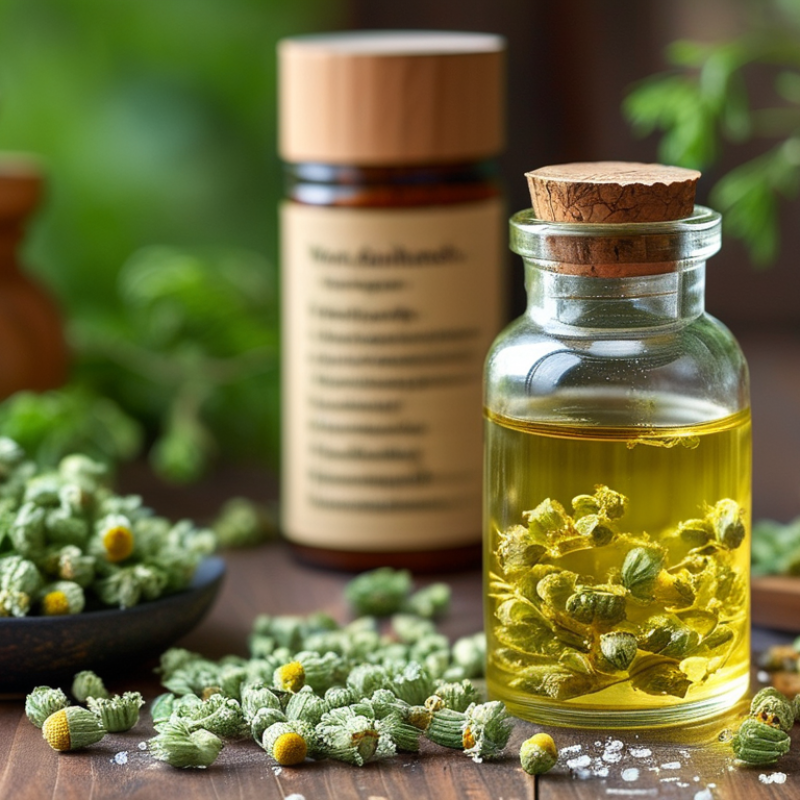
China’s Role in the Global Chamomile Extract Supply Market
China has become a significant supplier in the global chamomile extract market. Its strength comes from broad herb cultivation, established processing zones, and flexible production capacity. Suppliers serve dietary supplements, personal care, tea, and functional food manufacturers. Many buyers request German chamomile or Roman chamomile extracts, depending on aroma and intended use.
Reliable suppliers usually provide botanical identification, extraction details, batch numbers, and certificates of analysis. Testing may cover moisture, microbial limits, heavy metals, pesticides, and marker compounds such as apigenin. These records help importers compare quality beyond price. Some facilities also support water-based or ethanol extraction, allowing buyers to match clean-label requirements with product performance.
Traceability still requires careful review. A polished document does not always prove consistent field control. Buyers should inspect sampling methods, storage conditions, and recent test results. Small differences in harvest timing can affect color, scent, and active composition. That matters.
China’s export infrastructure can shorten lead times and support customized specifications. However, communication gaps may appear around dosage, carrier materials, or packaging standards. Experienced purchasing teams often begin with pilot batches and independent verification. This approach costs more at the start, but it can reveal issues before large-scale production. Suppliers that respond clearly to technical questions are generally easier to evaluate and manage.
| Supply-Market Dimension | China’s Role and Commercial Data | Key Buyer Verification Points |
|---|---|---|
| Botanical Source | Chamomile extracts are commonly produced from the flower heads of Matricaria chamomilla or Matricaria recutita, commonly known as German chamomile. | Confirm the Latin name, plant part, country of cultivation, harvest year, and botanical identity test. |
| Raw-Material Supply | China has established agricultural, drying, extraction, blending, and packaging capabilities for botanical ingredients. Chamomile raw materials may be sourced from domestic cultivation or imported agricultural supply chains. | Request traceability records covering farm or origin, harvesting, drying, storage, and batch processing. |
| Main Extract Types | Common commercial forms include water-soluble extracts, hydroalcoholic extracts, powdered extracts, liquid extracts, and chamomile essential oil. The final specification depends on the extraction method and intended application. | Check solvent system, carrier materials, extraction ratio, moisture, solubility, appearance, and storage conditions. |
| Important Botanical Constituents | Chamomile contains flavonoids such as apigenin and related glycosides, as well as volatile oil constituents. The chemical profile varies according to species, cultivation conditions, processing, and extraction method. | Require a validated testing method and a certificate of analysis for the declared marker or fingerprint profile. |
| Standardization Options | Products may be standardized by a declared apigenin-related content, total flavonoids, volatile-oil profile, or another agreed specification. There is no single universal standard for every chamomile extract. | Ensure the specification clearly defines the analytical marker, test method, acceptance range, and result format. |
| Typical Product Formats | Global buyers commonly purchase loose powder, granulated powder, liquid concentrate, oil, or customized premixes. Powdered extracts are widely used because they are easier to transport and formulate. | Confirm particle size, bulk density, flowability, hygroscopicity, packaging material, and recommended shelf life. |
| End-Use Segments | Chamomile extracts are used in herbal beverages, dietary supplements, personal-care products, cosmetics, oral-care products, and selected food applications, subject to destination-market regulations. | Verify whether the intended use is permitted in the destination country and whether food, cosmetic, or supplement documentation is required. |
| Quality-Control Scope | A robust quality program normally covers identity, assay or marker content, moisture, microbiological limits, heavy metals, pesticide residues, residual solvents, and foreign matter. | Request batch-specific laboratory results and confirm that testing limits match the importing market’s requirements. |
| Food-Safety Considerations | Botanical extracts can be affected by microbial contamination, pesticide residues, heavy metals, adulteration, and undeclared carriers. Preventive controls and documented supplier qualification are therefore important. | Ask for allergen, GMO, irradiation, BSE/TSE, pesticide, heavy-metal, and microbiological declarations where applicable. |
| Manufacturing Documentation | Export-oriented Chinese extract manufacturers commonly provide technical data sheets, certificates of analysis, product specifications, safety data sheets, and manufacturing or quality-system information. | Compare the technical data sheet with the certificate of analysis and confirm that both refer to the same batch and product code. |
| Certification Expectations | Depending on the product and market, buyers may request evidence of good manufacturing practices, food-safety management, organic status, kosher or halal compliance, or other recognized quality systems. | Verify certificate scope, validity period, issuing body, manufacturing address, and whether the certification covers the specific extract. |
| Customization Capability | Chinese botanical-extract suppliers may offer customized marker levels, extraction ratios, carriers, granulation, packaging, and private-label documentation, subject to technical feasibility and minimum order requirements. | Define the target specification, application, packaging format, sample approval procedure, and change-control requirements before production. |
| Packaging and Storage | Chamomile powders are generally packed in moisture-protective inner bags with an outer carton, drum, or other suitable container. Cool, dry, light-protected storage is commonly recommended. | Confirm packaging integrity, desiccant requirements, storage temperature, humidity protection, lot coding, and retest or expiry policy. |
| Export Logistics | China’s established ports, freight-forwarding network, and contract-manufacturing infrastructure support shipment of botanical extracts in commercial and customized formats. | Agree on Incoterms, customs classification, export documents, pallet requirements, lead time, and the responsibility for import clearance. |
| Buyer Selection Criteria | The most relevant supplier-selection factors are botanical authenticity, consistent marker content, contaminant control, traceability, documentation quality, production capacity, communication, and shipment reliability. | Evaluate samples, audit responses, batch consistency, complaint handling, quality agreements, and commercial terms rather than price alone. |
| Market Positioning | China is a significant processing and export base for botanical ingredients, including chamomile extracts. Its competitive strengths generally include manufacturing flexibility, supply-chain integration, customization, and broad export infrastructure. | Select suppliers based on verified product performance and regulatory suitability for the target market, not solely on their country of origin. |