
site_4bbb466c-cafd-4edb-8869-71ed8e60d33a
Excellence in PGR technology
Top 10 Gibberellic Acid Label Features You Should Know?
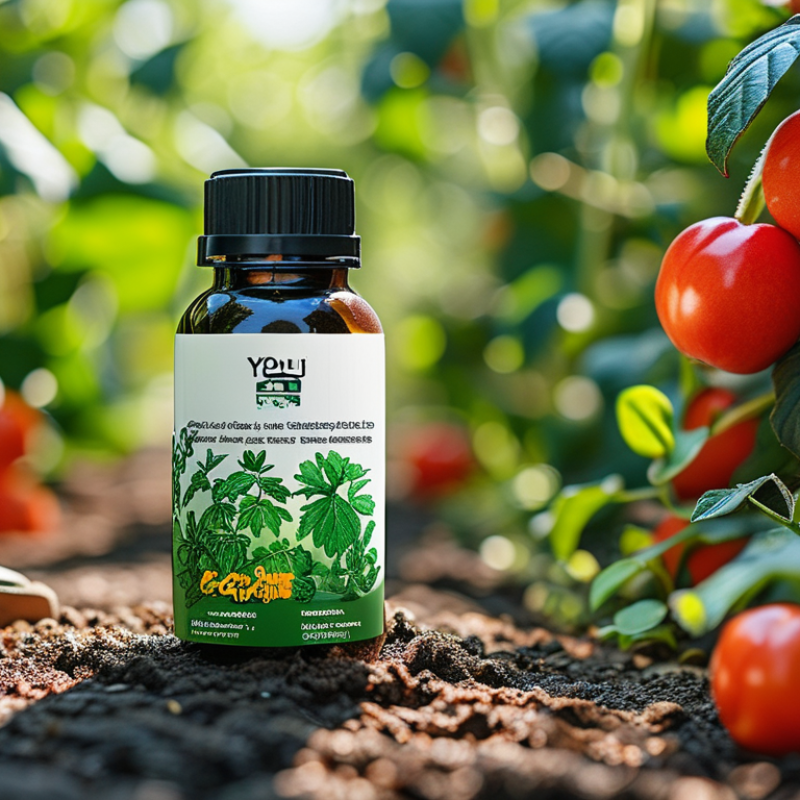
Understanding the gibberellic acid label is crucial for anyone involved in plant growth and horticulture. These labels provide vital information about the product's concentration, application methods, and the effects of gibberellic acid on different plant species. Recognizing these features can lead to better growth results and informed decision-making.
Gibberellic acid, a hormone that promotes plant growth, is often key in agriculture. It encourages seed germination and enhances fruit development. A well-read label can differentiate between products that suit specific needs. Attention to details like the recommended dosage is essential. Incorrect application can lead to unexpected growth patterns.
Moreover, it's important to note the expiration date and storage instructions on the gibberellic acid label. Misunderstanding these aspects may diminish efficacy. Always consider product origin and manufacturer reputation. Reliable brands are more likely to provide consistent results. Balancing these elements can enhance your gardening experience and ensure successful plant development.
Essential Properties of Gibberellic Acid for Plant Growth
Gibberellic Acid (GA) plays a crucial role in plant growth. It is a phytohormone that promotes various developmental processes, such as seed germination, stem elongation, and flowering. When applied correctly, GA can enhance growth and increase yields. However, understanding its essential properties is vital for effective usage.
One important feature of gibberellic acid is its ability to break seed dormancy. Plants often require specific conditions to germinate. GA can trigger the necessary biochemical pathways for sprouting, particularly in seeds that need cold or light conditions. Regular monitoring of your plant's response to GA application is key. Each species may react differently.
Gibberellic acid also aids in elongating stems. This is beneficial for plants that are bushy or compact. However, excessive application can lead to weak stems. Observe the balance between growth promotion and structural integrity. Keep in mind, not every situation benefits from GA. Sometimes, too much growth can attract pests.
Implementing GA requires attention to detail. Measure concentrations accurately. Test on a small scale before widespread application to avoid overuse. Each plant has unique needs. Stay informed on the latest research and consult with experts to tailor your GA application for optimal results.
Top 10 Gibberellic Acid Label Features You Should Know
| Feature | Description | Importance | Optimal Use |
|---|---|---|---|
| Concentration | Typically ranges from 1% to 10% in formulations. | Higher concentrations boost plant growth. | Use according to specific plant needs. |
| pH Level | Optimal pH between 5.5 to 7. | Influences nutrient uptake in plants. | Adjust soil pH to preferred levels. |
| Application Method | Foliar sprays or soil drenching. | Maximizes absorption and effectiveness. | Follow manufacturer guidelines for method. |
| Compatibility | Compatible with many fertilizers and pesticides. | Ensures best efficacy when combined. | Conduct compatibility tests before mixing. |
| Shelf Life | Typically 2-3 years if stored properly. | Ensures potency and effectiveness over time. | Store in a cool, dark place. |
| Target Crops | Effective for fruits, vegetables, and ornamental plants. | Promotes growth and increases yield. | Select crops based on growth goals. |
| Temperature Sensitivity | Effective within a temperature range of 15-30°C. | Temperature affects enzymatic activity. | Apply during optimal temperatures. |
| Regulatory Status | Regulated in many regions for agricultural use. | Compliance necessary for legal use. | Check local regulations before application. |
| Environmental Impact | Low environmental risk when used as directed. | Safe for beneficial microorganisms in soil. | Adhere to application guidelines for safety. |
| Efficacy Duration | Effects can last several weeks to months. | Influences planning for subsequent applications. | Monitor plant response for timing next dose. |
Related Posts
-

Best Gibberellic Acid Labels for Optimal Plant Growth?
-
What is gibberellic acid and its uses in South Africa?
-

How to Effectively Use Gibberellic Acid Products for Plant Growth?
-
Top 10 Benefits of Gibberellic Acid for Plants Growth?
-

Best Uses of Gibberellic Acid in South Africa for Enhanced Plant Growth
-

How to Use Gibberellic Acid for Plants Effectively?