site_4bbb466c-cafd-4edb-8869-71ed8e60d33a
Excellence in PGR technology
Interest in Natural Deoxyarbutin Powder is growing with demand for transparent, evidence-based cosmetic ingredients. Grand View Research valued the global skin lightening products market at approximately USD 9.96 billion in 2022. Its report also projected continued growth through 2030. These figures show commercial momentum, not automatic product quality. A larger market can still contain unclear sourcing, weak documentation, and exaggerated claims.
The phrase “natural” requires careful examination. Deoxyarbutin may involve chemical processing, even when a supplier promotes botanical origins. The label might describe the source, solvent, carrier, or marketing position rather than the finished molecule. That assumption deserves challenge. Before purchasing, buyers should request a current certificate of analysis, HPLC purity results, batch number, country of origin, and contaminant testing. Heavy metals, residual solvents, microbial limits, and moisture content matter in a fine white powder.
Look for suppliers following recognized quality systems, including ISO 22716 cosmetic GMP principles. The European Commission’s CosIng database can support ingredient and regulatory checks, while independent laboratory testing provides stronger confirmation. Industry reports from Mordor Intelligence and Grand View Research also emphasize quality, traceability, and consumer preference for naturally positioned cosmetic products. However, market research does not replace laboratory evidence. It only provides context. This guide presents seven practical tips for evaluating Natural Deoxyarbutin Powder, from identity verification to packaging, stability, and supplier reliability. Read every document carefully. A polished website proves very little.
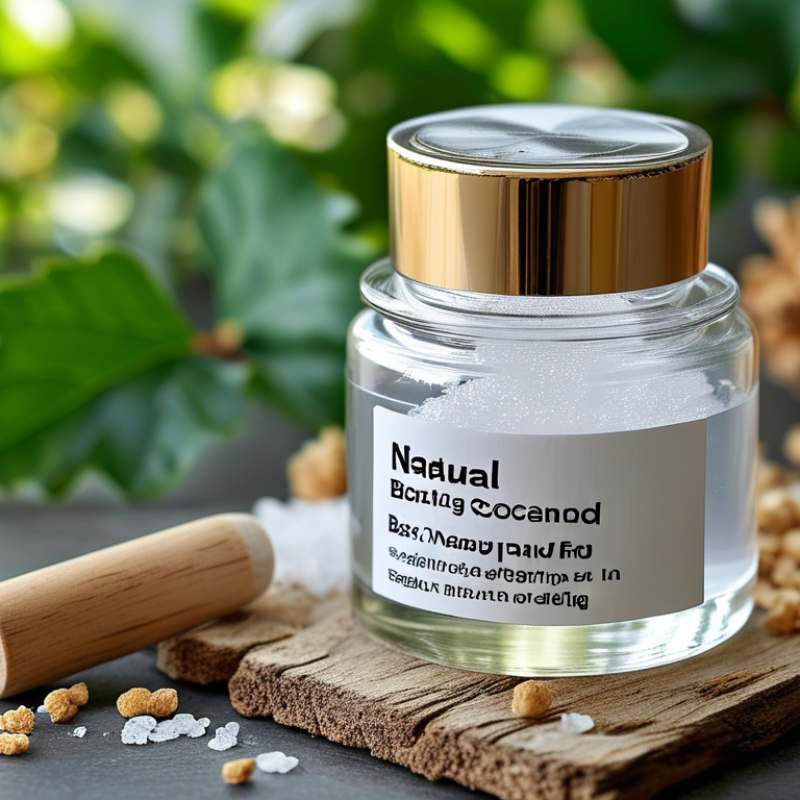
Natural deoxyarbutin powder is a powdered cosmetic ingredient marketed for uneven skin tone. It is related to arbutin, but the names should not be treated as interchangeable. “Natural” also needs verification. A plant source, fermentation route, or natural-origin index should appear in the supplier’s technical file. Otherwise, the claim remains incomplete.
Deoxyarbutin is commonly used in brightening serums, creams, and spot-care formulas. It may help reduce the appearance of excess melanin by influencing tyrosinase activity. Results depend on concentration, pH, packaging, and the user’s skin condition. Start with a validated supplier range. Do not copy an arbutin formula automatically. The European Commission’s Scientific Committee on Consumer Safety assessed alpha-arbutin and beta-arbutin separately, including limits of 2% and 0.5% in specific cosmetic applications. Those figures do not prove deoxyarbutin has the same safety profile. That distinction matters.
Buyers should request an HPLC identity test, assay value, heavy-metal results, microbial limits, residual-solvent data, and stability records. Check the lot number. Ask for accelerated stability testing at elevated temperature and humidity. Fine powder can absorb moisture, clump, or lose performance after repeated opening. An opaque, tightly sealed container is more practical than a clear pouch. Grand View Research reported continued growth in the global skin-lightening products market in its 2024 industry analysis, but market growth does not equal ingredient proof. I would also question unusually high purity claims without chromatograms. The label may look polished. The evidence may be thin.
Buying natural deoxyarbutin powder requires more than reading “plant-based” on a label. Deoxyarbutin is often described as a synthetic derivative, so natural-origin claims need strong evidence.
Tip 1: Request the botanical source, plant part, country, and extraction method.
Tip 2: Check whether the batch number appears on every document.
Tip 3: Ask for a complete certificate of analysis, not a marketing specification.
A useful COA should show assay results, typically verified by HPLC or LC-MS. It should also list related substances, residual solvents, heavy metals, moisture, and microbial counts.
Tip 4: Confirm the testing laboratory holds ISO/IEC 17025 accreditation.
Tip 5: Compare the reported method with the actual ingredient identity.
Tip 6: Request chromatograms and reference-standard details.
Missing data deserves questions.
A purity percentage alone proves little. ISO 16128 offers guidance for natural-origin calculations, but it does not certify a raw material as natural.
Cosmetics Europe reported approximately €104 billion in European cosmetics sales in 2023. At that scale, weak traceability can affect many formulations.
Tip 7: Follow the supply chain back to the producer, and check harvest records or mass-balance documents.
Use independent testing when the claim feels unusually perfect. I have seen paperwork look complete while the botanical origin remained unclear. That is not proof of fraud, but it is a reason to pause. Supplier audits, sealed samples, and retesting after delivery provide stronger evidence than a polished brochure.
When buying natural deoxyarbutin powder, supplier qualifications deserve more attention than attractive pricing. Ask whether “natural” describes the raw material, production route, or marketing language. The supplier should provide a current specification sheet, safety data sheet, and batch-specific certificate of analysis. Check the lot number, test date, assay result, and authorized signature. A generic COA is a warning sign.
Reliable suppliers usually maintain GMP or ISO 22716 systems for cosmetic ingredients. ISO 9001 can support quality management, but it does not prove ingredient purity. Request independent testing for HPLC identity, assay, heavy metals, microbial limits, residual solvents, and moisture. An accredited laboratory report is stronger than an internal claim. Confirm the laboratory’s accreditation and testing methods.
Traceability matters. The supplier should explain raw-material origin, processing location, packaging conditions, shelf life, and storage temperature. Sealed, light-protective packaging may help preserve sensitive powder during transport. Ask for stability data under realistic conditions. I once treated a polished certificate as proof of quality, but the document lacked a matching batch number. Certificates can look official yet prove little. Check audit records, complaint procedures, replacement policies, and response speed. A supplier that answers technical questions clearly is often more dependable than one offering the lowest quote.("")]
//
Use this practical verification score to compare supplier documentation. The scores reflect buyer priority rather than a certification ranking: batch-level testing and traceability should generally receive the greatest attention.
Key takeaway: Confirm the identity, purity, batch number, test methods, manufacturing origin, and traceability of every lot. ISO or GMP certificates support quality systems, but they do not replace a current Certificate of Analysis or independent laboratory verification. If “natural,” organic, non-GMO, halal, or kosher status is claimed, request documentation that specifically covers that claim.
Buying natural deoxyarbutin powder requires more than comparing prices. Testing reports should match the exact batch, not a generic sample. Check the lot number, production date, and retest date. Check the lot.
A reliable report should identify the testing laboratory and test methods. Look for assay results, moisture, appearance, heavy metals, and microbial limits. HPLC data can support identity and purity claims. However, a high purity percentage does not prove excellent handling. Ask whether the laboratory follows recognized quality systems, such as ISO/IEC 17025. Contact the laboratory when a report looks unusually vague. A PDF alone is not enough.
Packaging reveals practical quality controls. Prefer sealed inner bags inside a light-resistant outer container. Inspect the tamper seal, label clarity, and lot number before accepting delivery. Packaging should limit light, air, and moisture exposure. Keep it dry. Storage conditions matter after arrival. Use a cool, dry, dark area with stable temperature, away from sunlight and steam. Record the opening date and reseal the container quickly. A humidity indicator or simple storage log can help. Still, these checks are not perfect. Transport heat, repeated opening, or an incomplete report may remain unknown. If the powder has changed color, odor, or texture, pause production and request further testing.
| Tip | Evaluation Dimension | What to Check | Suggested Buyer Acceptance Point | Required Evidence or Test Method | Practical Buying Action |
|---|---|---|---|---|---|
| 1 | Material Identity | Confirm that the product name, chemical identity, batch number, manufacturing date, and test date are consistent across the specification, certificate of analysis, label, and shipping documents. | No inconsistencies; the tested sample must be traceable to the supplied batch. | Batch-specific certificate of analysis, product specification, safety data sheet, and an identity test such as HPLC retention time, FTIR, or another validated laboratory method. | Reject documents that use only a generic “botanical powder” description or omit the lot number. |
| 2 | Assay and Purity | Review the reported deoxyarbutin content, test basis, analytical method, and whether the result is reported on an “as-is” or dry basis. | Use the agreed product specification; a common commercial screening point is a clearly defined high-purity grade, often ≥98% by the stated method. | Chromatographic assay report with method description, reference standard information, chromatogram, result, units, and laboratory authorization. | Do not compare percentages until the test basis, method, and calculation are identical. |
| 3 | Moisture and Physical Condition | Check loss on drying or water content, appearance, color, odor, caking, and foreign particles. | A dry, free-flowing powder with no abnormal odor or visible contamination; moisture limit should be defined in the purchase specification, commonly around ≤1–2% for moisture-sensitive cosmetic powders. | Karl Fischer or validated loss-on-drying result, visual inspection record, and sample photographs where appropriate. | Request a retained sample or pre-shipment sample when appearance and flowability are important to formulation. |
| 4 | Contaminant and Microbiological Safety | Evaluate heavy metals, residual solvents, total aerobic microbial count, yeast and mold, and specified pathogens according to the intended cosmetic or technical use. | Results must comply with the destination market and the buyer’s cosmetic raw-material specification; pathogens such as Escherichia coli and Salmonella should be absent when required by the applicable standard. | Independent or qualified laboratory reports showing methods, units, detection limits, and pass/fail interpretation. Heavy-metal limits should be stated in mg/kg or ppm. | Never accept a report that says only “passed” without numerical results, test methods, or detection limits. |
| 5 | Packaging Integrity | Inspect the inner liner, primary container, seal, tamper evidence, label, net weight, lot number, and contact between the powder and packaging materials. | Packaging should be clean, dry, sealed, undamaged, and suitable for powdered cosmetic ingredients; the label must remain legible throughout transport and storage. | Packaging specification, container-closure description, seal inspection, photographs, and confirmation that packaging materials are compatible with the product. | Prefer a sealed moisture-barrier inner bag inside a rigid outer container, with the lot number repeated on every unit. |
| 6 | Storage and Transport Conditions | Check the stated temperature, humidity, light exposure, re-sealing instructions, and whether the material is protected from heat and moisture during shipment. | Store in a cool, dry, well-closed container away from direct light; follow the supplier’s validated temperature range, commonly room-temperature storage unless the specification states otherwise. | Product specification, stability or retest information, transport requirements, and temperature or humidity records for sensitive shipments. | Avoid prolonged exposure to heat, condensation, direct sunlight, and repeated opening. Record the opening date after receipt. |
| 7 | Shelf Life and Verification Testing | Confirm the expiry or retest date, remaining shelf life at delivery, storage history, and the supplier’s procedure for handling deviations or out-of-specification results. | The remaining shelf life should meet the purchase agreement; the batch should be re-tested after the stated retest interval or after significant storage deviations. | Stability summary, batch certificate, retest policy, deviation record when applicable, and an independent confirmation test for high-value or critical batches. | Sample each new batch using a documented sampling plan and retain a sealed reference sample for comparison. |
Buying natural deoxyarbutin powder requires more than comparing a quoted kilogram price. Ask for the exact chemical name, assay range, CAS number, and physical form. “Natural” needs evidence, not marketing language. Request a recent certificate of analysis, production date, batch number, and test methods. Check whether the price includes packaging, export documents, shipping, taxes, and payment fees. A low quote may exclude important costs.
Confirm the minimum order quantity and whether samples are available before a full purchase. Clarify lead time, stock status, customization limits, and acceptable delivery variance in writing. Ask about payment stages, currency, bank charges, cancellation terms, and remedies for damaged goods. For larger orders, a retained sample and independent inspection can reduce disputes. Do not rely on verbal promises. Maybe the cheapest offer is not the lowest final cost.
Safety checks should cover microbiological limits, heavy metals, residual solvents, and stability data. Request storage temperature, moisture protection, shelf life, and recommended handling conditions. Review the safety data sheet and confirm the powder suits the intended cosmetic use. Ask whether the supplier follows documented quality controls and can trace raw materials. Test a small lot for color, odor, solubility, and assay before approving routine supply. Regulatory requirements differ by market, so verify local cosmetic rules with a qualified professional. One overlooked detail can affect an entire batch.
| Cookie | Duration | Description |
|---|---|---|
| _wpfuuid | 11 years | This cookie is used by the WPForms WordPress plugin. The cookie is used to allows the paid version of the plugin to connect entries by the same user and is used for some additional features like the Form Abandonment addon. |
| cookielawinfo-checkbox-analytics | 11 months | This cookie is set by GDPR Cookie Consent plugin. The cookie is used to store the user consent for the cookies in the category "Analytics". |
| cookielawinfo-checkbox-functional | 11 months | The cookie is set by GDPR cookie consent to record the user consent for the cookies in the category "Functional". |
| cookielawinfo-checkbox-necessary | 11 months | This cookie is set by GDPR Cookie Consent plugin. The cookies is used to store the user consent for the cookies in the category "Necessary". |
| cookielawinfo-checkbox-others | 11 months | This cookie is set by GDPR Cookie Consent plugin. The cookie is used to store the user consent for the cookies in the category "Other. |
| cookielawinfo-checkbox-performance | 11 months | This cookie is set by GDPR Cookie Consent plugin. The cookie is used to store the user consent for the cookies in the category "Performance". |
| viewed_cookie_policy | 11 months | The cookie is set by the GDPR Cookie Consent plugin and is used to store whether or not user has consented to the use of cookies. It does not store any personal data. |
| Cookie | Duration | Description |
|---|---|---|
| CONSENT | 2 years | YouTube sets this cookie via embedded youtube-videos and registers anonymous statistical data. |
| vuid | 2 years | Vimeo installs this cookie to collect tracking information by setting a unique ID to embed videos to the website. |