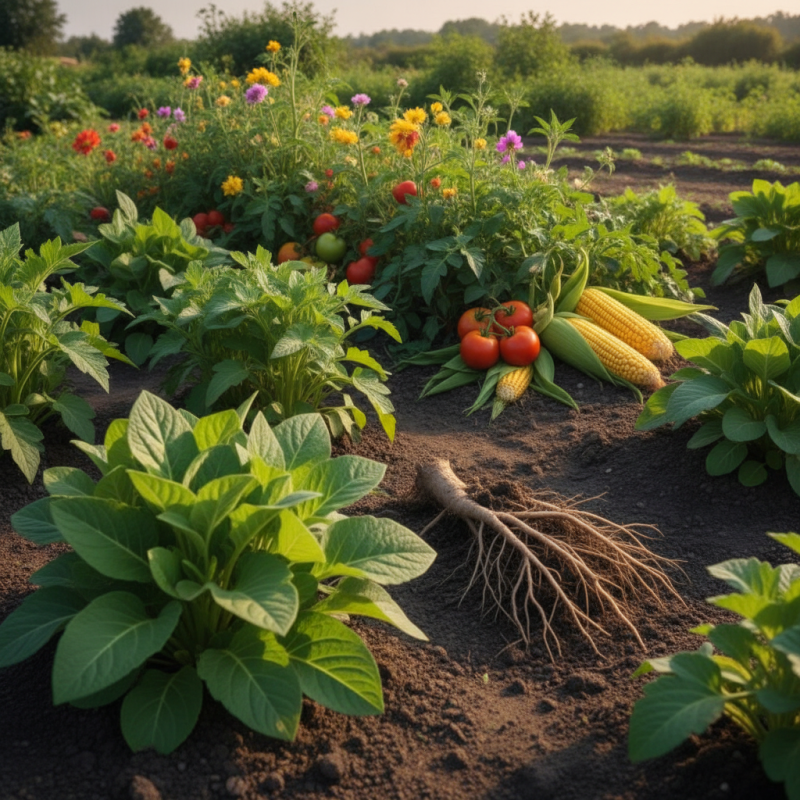
What is Plant Nutrition and How Does It Affect Growth?
Plant Nutrition plays a crucial role in the growth and development of plants. It involves the uptake of essential nutrients from the soil. These nutrients are vital for various physiological processes. Without adequate nutrition, plants may struggle to thrive.
Inadequate plant nutrition can lead to stunted growth and poor yields. It is important to understand what nutrients plants need. Key nutrients include nitrogen, phosphorus, and potassium. Each of these plays specific roles in plant health. For example, nitrogen is critical for leaf development, while phosphorus supports root growth.
Understanding plant nutrition helps gardeners and farmers improve crop outcomes. However, it is a complex subject. Misconceptions can lead to over-fertilization or nutrient deficiencies. Such errors can harm plants more than help them. Therefore, continuous learning about plant nutrition is essential for sustainable growth.
Definition of Plant Nutrition and Its Importance in Agriculture
Plant nutrition plays a crucial role in agriculture. It defines the essential elements plants need for growth. These nutrients include macronutrients like nitrogen, phosphorus, and potassium, as well as micronutrients like iron and manganese. According to the Food and Agriculture Organization, a lack of proper nutrients can reduce crop yields by up to 50%. Understanding these requirements is key for farmers aiming for optimal productivity.
The significance of plant nutrition extends beyond mere growth. Healthy plants lead to better quality produce and improved resistance to pests. Research indicates that well-nourished plants can yield 20%-30% more harvest. However, farmers often face challenges. Soil depletion, environmental changes, and improper fertilizer use can hinder nutrient uptake. Adequate soil testing and tailored nutrient management can help address these issues, ensuring plants receive what they need. Addressing these hurdles is not just an agricultural challenge; it’s essential for food security worldwide.
Essential Nutrients for Plant Growth: Macronutrients and Micronutrients
Plant nutrition is essential for healthy growth and development. Essential nutrients are categorized into macronutrients and micronutrients. Macronutrients include nitrogen, phosphorus, and potassium. These elements are crucial for photosynthesis and energy transfer within plants. In fact, studies show that nitrogen can increase crop yields by up to 20% when adequately supplied (FAO, 2021).
Micronutrients, though needed in smaller quantities, are equally vital. Iron, manganese, and zinc play critical roles in enzyme function and chlorophyll production. A deficiency in iron can lead to chlorosis, a common problem in plants. It affects photosynthesis and reduces overall growth. Research indicates that plants with balanced micronutrient levels are more resilient against diseases.
Balancing nutrient levels is often overlooked. Many growers focus solely on macronutrients, neglecting micronutrients. This oversight can lead to nutrient imbalances and stunted growth. Regular soil testing can help identify deficiencies. Incorporating a diverse range of nutrients is key to fostering robust plant development. Understanding these elements is crucial for both novice and experienced growers, enhancing both crop quality and sustainability.
How Soil Composition Influences Plant Nutrition and Growth Dynamics
Soil composition plays a critical role in plant nutrition and growth dynamics. The nutrient content and structure of soil directly influence how plants absorb essential elements. A balanced mix of organic matter, minerals, and aeration creates an ideal environment for roots to thrive. Different soil types hold varying amounts of water and nutrients, making knowledge of soil composition essential for successful gardening or farming.
Tips: Test your soil regularly. Understanding its pH and nutrient levels helps in fine-tuning plant care. Use organic matter to improve soil health. This enhances soil structure and boosts nutrient availability.
Certain soils can be deficient in key nutrients like nitrogen, phosphorus, and potassium. This can lead to stunted growth and poor yields. On the contrary, overly rich soils may cause nutrient imbalances. It’s crucial to observe your plants closely for signs of deficiency, such as yellowing leaves or stunted growth. Adjust your soil management practices as needed to ensure optimal plant nutrition.
Tips: Consider crop rotation to maintain soil health. Different crops have unique nutrient requirements, which can help balance the soil's nutrient profile. Always consider your local environment; it greatly affects soil composition and plant health.
What is Plant Nutrition and How Does It Affect Growth? - How Soil Composition Influences Plant Nutrition and Growth Dynamics
| Nutrient | Role in Plant Growth | Soil Composition Influence | Deficiency Symptoms |
| Nitrogen (N) | Promotes leafy growth and overall plant vigor | High organic matter content increases nitrogen levels | Yellowing of leaves, stunted growth |
| Phosphorus (P) | Supports root development and flowering | Well-drained soils promote better phosphorus availability | Dark green or purplish leaves, poor flowering |
| Potassium (K) | Enhances disease resistance and fruit quality | Sandy soils may leach potassium more easily | Weak stem, leaf curling, poor fruit development |
| Calcium (Ca) | Important for cell wall structure and root growth | Acidic soils often require lime to increase calcium | Blossom end rot, tip burn |
| Magnesium (Mg) | Central component of chlorophyll, aiding photosynthesis | Clay soils may retain more magnesium | Interveinal chlorosis, leaf curling |
The Role of Water in Nutrient Uptake and Plant Development
Water plays a crucial role in the nutrient uptake of plants and their overall development. It serves as a solvent for nutrients, allowing roots to absorb essential elements. A report by the Food and Agriculture Organization of the United Nations highlights that approximately 95% of the water absorbed by plants is used for transpiration. This process cools the plant and facilitates nutrient transport. Without adequate water, nutrient uptake is severely limited, leading to stunted growth and poor yields.
Studies reveal that plants require varying levels of water, depending on their species and growth stage. For instance, leafy greens typically need more water compared to drought-resistant plants like succulents. It's vital to monitor water levels, as overwatering can suffocate roots, while underwatering may result in nutrient deficiencies.
Tips: Ensure proper drainage to prevent root rot. Regularly check soil moisture levels. Adjust watering schedules based on seasonal changes. Understanding these basics can significantly impact your garden’s success and plant health.
Impact of Nutrient Deficiencies on Plant Health and Crop Yields
Nutrient deficiencies significantly impact plant health and crop yields. Essential elements like nitrogen, phosphorus, and potassium are vital for growth. When plants lack these nutrients, they often show symptoms such as yellowing leaves, stunted growth, and poor fruit development. For instance, nitrogen deficiency can lead to bad chlorophyll production, causing leaves to turn pale green. This affects photosynthesis and slows down growth.
A lack of nutrients also leads to lower crop yields. Farmers may notice less produce per acre when nutrient levels are insufficient. They might use fertilizers to counteract deficiencies. However, overuse can result in soil degradation. Understanding nutrient balance is critical. Each plant species has specific nutrient requirements.
It's important to monitor soil conditions regularly. Soil tests can reveal nutrient levels and deficiencies. Ignoring these signs can spell disaster for both the crop and the farmer. Investment in proper soil management can enhance productivity. But many still overlook these practices, risking poor harvests year after year.
Impact of Nutrient Deficiencies on Plant Growth
This chart illustrates the effects of various nutrient deficiencies on plant growth. Each bar represents the percentage decrease in crop yield associated with specific nutrient deficiencies: Nitrogen (N), Phosphorus (P), Potassium (K), and Iron (Fe).