What is Manganese Chloride and Its Applications in Industry?
Manganese Chloride is a versatile compound used in various industrial applications. This chemical, with the formula MnCl2, is crucial in manufacturing processes and research. It plays a significant role in producing batteries, fertilizers, and animal feed supplements. Manganese Chloride is valued for its properties, making it an essential ingredient in many formulations.
The importance of Manganese Chloride cannot be overstated. For example, in the production of lithium-ion batteries, it enhances performance. Moreover, in the agricultural sector, it helps improve soil quality. However, proper handling and safety protocols are necessary due to its chemical nature. Awareness of potential risks is vital for safe usage.
In research laboratories, Manganese Chloride is often used in experiments for studying various biochemical processes. Its role extends beyond industrial applications, showcasing its versatility. As industries evolve, the demand for Manganese Chloride continues to grow. This trend highlights the need for reliable sources and safe practices in its application.
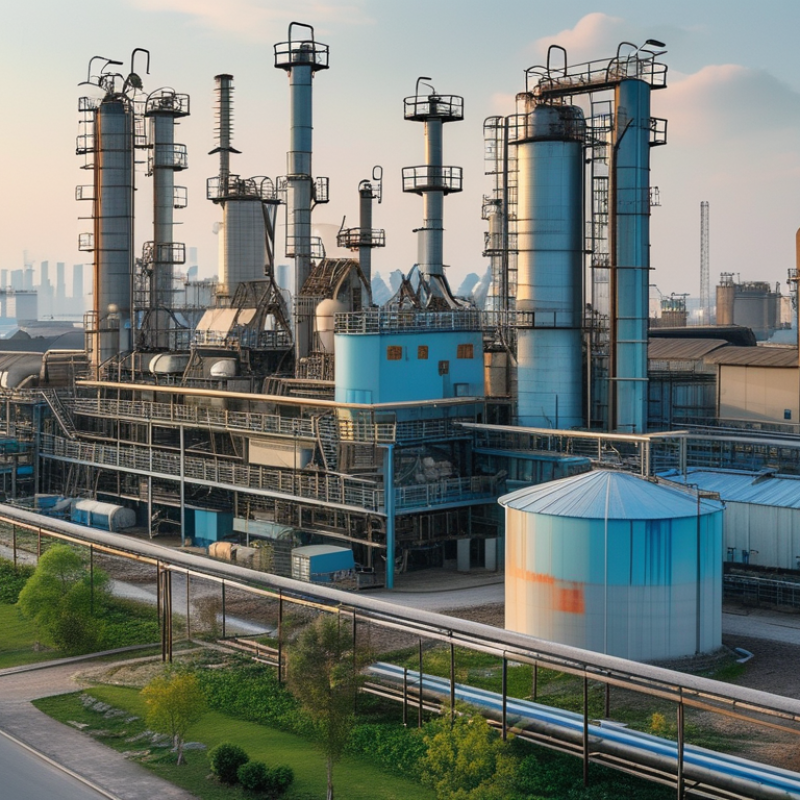
What is Manganese Chloride?
Manganese chloride is a chemical compound with the formula MnCl2. It appears as a pale pink or white crystalline substance. This compound is soluble in water and is often used in various industrial applications. It can be found in both anhydrous and hydrate forms. The hydrated version is commonly used in laboratories and industries.
In agriculture, manganese chloride serves as a micronutrient. Crops require manganese for photosynthesis and nitrogen assimilation. Without it, plants face stunted growth and reduced yield. They exhibit symptoms like yellowing leaves. Many farmers are aware of the importance of this mineral for healthy crops. However, overuse can lead to toxicity, prompting further studies into optimal application rates.
The compound is also essential in the production of ceramics and glass. It acts as an oxidative agent and helps in coloring. However, the balance between its use and environmental impact needs careful consideration. Excessive discharge can lead to water pollution. Industries must adopt sustainable practices to mitigate these risks while harnessing the benefits of manganese chloride.
Chemical Properties and Structure of Manganese Chloride
Manganese chloride is an inorganic compound with a chemical formula of MnCl2. It appears as a pale pink or white solid. This compound is highly soluble in water, which increases its utility in various applications. Its structure features manganese ions surrounded by chloride ions, creating a stable ionic lattice. The presence of manganese allows it to participate in several reactions, making it valuable in industries like agriculture and electronics.
Tips: When handling manganese chloride, always wear gloves and goggles. Its dust can be harmful when inhaled.
Industrially, manganese chloride is crucial for producing fertilizers. It provides essential nutrients for plants, especially in soils deficient in manganese. In the field of electronics, it is used as an additive in battery production. This improves the performance of lithium-ion batteries, showcasing manganese chloride's versatility.
Tips: Store manganese chloride in a cool, dry place. Exposure to moisture can affect its properties.
While its applications are broad, it's essential to monitor the quantity used. Overuse can lead to environmental concerns. Inappropriate disposal of manganese compounds can also pose risks. This highlights the importance of responsible handling and management in industrial settings.
Industrial Applications of Manganese Chloride in Various Sectors
Manganese chloride, a versatile inorganic compound, plays several essential roles in different industries. In agriculture and horticulture, it serves as a vital micronutrient. Studies indicate that crops deficient in manganese can experience stunted growth and yield loss. This highlights its importance; some reports suggest that manganese supplementation can boost crop yields by up to 20%.
In the chemical sector, manganese chloride acts as a precursor for various manganese-based compounds. These compounds are integral in producing batteries and pigments. The demand for electric vehicles has spurred an increased need for manganese in the battery industry. Reports show that the global manganese market is projected to grow at a CAGR of around 4% through 2026.
Water treatment processes also utilize manganese chloride effectively. It helps remove contaminants and purify water. While effective, the environmental impact of manganese extraction raises concerns. A careful balance is required to ensure sustainability. Industry experts emphasize that responsible sourcing and usage must accompany the growth in manganese chloride applications.
Manganese Chloride in Agriculture and Animal Nutrition
Manganese chloride is essential in agriculture and animal nutrition. It plays a significant role in plant growth and development. This compound helps synthesize chlorophyll, which is vital for photosynthesis. Without adequate manganese, plants may show symptoms like yellowing leaves or stunted growth.
In animal nutrition, manganese is crucial for bone formation and metabolic processes. Livestock benefit from manganese chloride as it promotes healthier growth rates. It's vital for enzymes that aid digestion and nutrient absorption. Farmers often supplement animal feed with this mineral to ensure proper development.
Yet, it’s important to manage manganese levels carefully. Excess manganese can lead to toxicity issues in both plants and animals. In agriculture, understanding soil composition is vital. Soil tests can determine if manganese supplementation is necessary. This attention to detail ensures that both crops and livestock thrive sustainably.
Safety and Handling Measures for Manganese Chloride in Industry
Manganese chloride (MnCl2) is an essential compound used in various industrial applications, including fertilizers and battery technologies. Safety measures are critical when handling manganese chloride, as improper practices can lead to health hazards. The World Health Organization (WHO) indicates that exposure to manganese in high levels may cause neurological issues. Therefore, it’s vital to follow strict protocols to protect workers and the environment.
In industrial settings, personal protective equipment (PPE) plays a crucial role. Workers should use gloves, goggles, and respirators to avoid direct contact with manganese chloride. Ventilation systems must function properly to reduce airborne concentrations. A 2022 study showed that inadequate ventilation can increase workers' exposure by over 50%. Additionally, facilities should conduct routine risk assessments to ensure compliance with safety standards. Regular training on emergency procedures is equally important.
Proper storage is key to minimizing risks associated with manganese chloride. It should be kept in a cool, dry place, away from incompatible substances. Containers must be clearly labeled to prevent mishandling. Corrosive materials can create unexpected reactions. Data from the Occupational Safety and Health Administration (OSHA) indicates that improper storage leads to 30% of chemical spills. Companies should regularly audit their chemical management systems to enhance safety.
