Why is Gibberellic Acid Important for Plant Growth and Development?
Gibberellic acid plays a crucial role in plants. This plant growth regulator is vital for several developmental processes. From seed germination to flowering, its impact is profound.
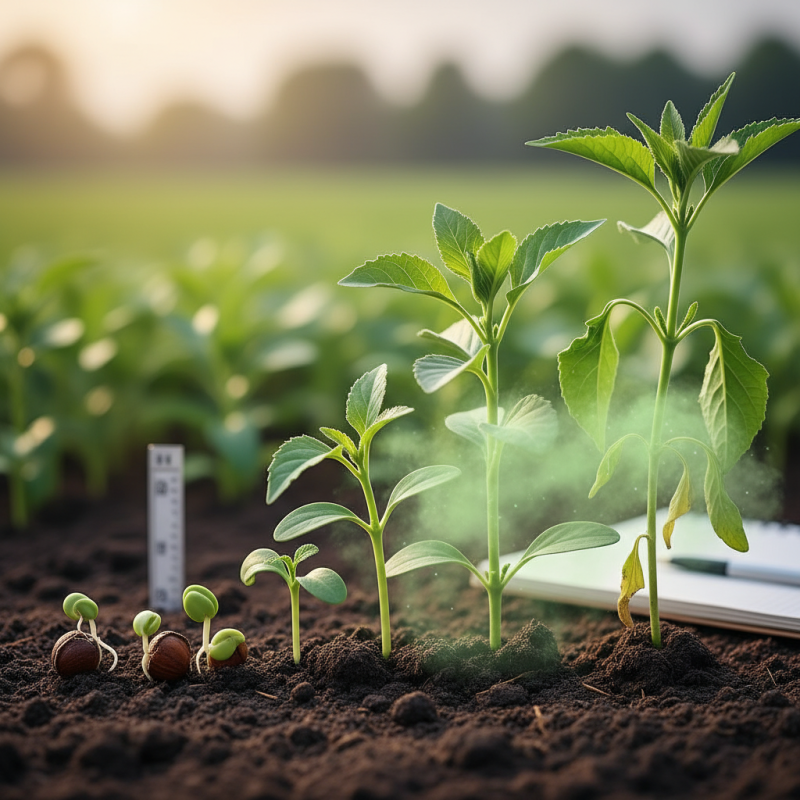
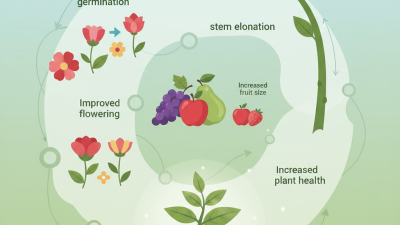
Understanding the gibberellic acid role in plants reveals its importance in growth. It influences cell elongation, leading to taller and healthier plants. Without it, many crops may not reach their full potential. It also aids in breaking seed dormancy. This process is essential for timely growth cycles.
However, its use requires caution. Over-application can lead to excessive growth. This creates weak plants that may struggle against environmental stress. Finding the right balance is key. As researchers learn more, they strive to optimize its benefits while minimizing risks.
Gibberellic Acid: An Overview of Its Role in Plant Biology
Gibberellic acid (GA) plays a crucial role in plant biology. This phytohormone influences various aspects of growth and development. It regulates seed germination, stem elongation, and flowering. Without it, plants may struggle to grow properly.
In seeds, gibberellic acid triggers germination. It breaks dormancy and encourages growth. The right amount of GA can lead to vibrant, healthy plants. Too much, however, can lead to elongated, weak stems. This balance is essential for thriving plants.
Another significant role of gibberellic acid is its influence on flowering. It can induce flowering in some plants, enabling them to reproduce. However, not all plants respond the same way. Some may require a different approach. Understanding these nuances is vital for gardeners and researchers alike. Careful observation is key to successful plant management.
Impact of Gibberellic Acid on Plant Growth Parameters
Gibberellic acid is crucial for various stages of plant growth, significantly enhancing seed germination, stem elongation, leaf expansion, flowering, and fruit development. The chart above illustrates the percentage increase in growth parameters when influenced by gibberellic acid.
The Biochemical Mechanism of Gibberellic Acid in Plants
Gibberellic acid (GA) plays a critical role in plant growth and development. It is a plant hormone that promotes cell elongation, seed germination, and flowering. According to research, GA can increase crop yields by up to 30%. This hormone also influences various biochemical processes, including enzyme production and starch breakdown.
In plants, GA stimulates the expression of genes responsible for growth. It activates specific enzymes, such as α-amylase, which helps convert starch to sugars. This process is crucial for young seedlings that rely on stored starch for energy. GA also affects the signaling pathways that allow plants to adapt to environmental changes, strengthening their resilience.
Tips: If you are cultivating plants, consider modifying your application of GA. Overuse can lead to undesirable growth patterns, making plants weak or leggy. Monitor their progress closely and adjust the dosage accordingly. Understanding the right balance can make a significant difference.
Not all plants respond equally to GA, and results can vary. Some species may require specific conditions to activate GA’s benefits. Research shows that factors like light, temperature, and soil quality significantly influence GA's effectiveness. Observing these variables is crucial for optimizing plant growth.
Effects of Gibberellic Acid on Seed Germination and Growth
Gibberellic Acid (GA) plays a crucial role in seed germination and plant growth. Studies show that GA promotes the breakdown of stored food in seeds. This process is vital for energy during germination. In fact, a report by the American Society of Agronomy indicates that GA can increase germination rates by up to 50% in some species. Such a significant boost can influence crop yields.
Furthermore, GA influences stem elongation and leaf expansion. It allows plants to grow taller and spread wider, optimizing sunlight absorption. Research indicates that treatments with GA can lead to a 30% increase in plant height in certain crops. However, this growth enhancement is not always beneficial. Without proper monitoring, excessive growth may lead to weakened structures in plants.
In addition, while GA aids growth, it could result in seedlings being more susceptible to diseases. Vulnerable plants may struggle to adapt to various environmental stresses. As a result, finding the right balance in GA application is essential. It requires careful consideration of plant needs and environmental factors. Ultimately, Gibberellic Acid remains a vital element of successful agricultural practices.
Influence of Gibberellic Acid on Flowering and Fruit Development
Gibberellic acid, a plant hormone, plays a key role in flowering and fruit development. It promotes stem elongation, breaking dormancy in seeds and buds. This can lead to a more vigorous flowering process. For many plants, the timing of flowering is crucial. Gibberellic acid helps synchronize this timing in response to environmental cues.
The application of gibberellic acid can also enhance fruit growth. It encourages larger fruit size and better quality. However, results may vary across plant species. Overuse can lead to unexpected growth patterns or delayed maturation. Each species must be considered carefully.
Understanding the right dosage of gibberellic acid is essential. Too much can cause abnormal growth. The delicate balance between promoting growth and maintaining natural development is a challenging aspect. Growers often face tough decisions. Observing the effects of gibberellic acid over time is vital for optimal plant health.
Why is Gibberellic Acid Important for Plant Growth and Development? - Influence of Gibberellic Acid on Flowering and Fruit Development
| Aspect |
Description |
Effects of Gibberellic Acid |
| Germination |
Initiation of seed growth process. |
Promotes rapid germination by breaking dormancy. |
| Stem Elongation |
Increase in stem height and overall plant size. |
Stimulates rapid cell division and elongation. |
| Flowering |
Transition from vegetative to reproductive phase. |
Enhances flowering and can lead to earlier blooms. |
| Fruit Development |
Formation and maturation of fruit. |
Improves fruit set and size, affects seedless fruit production. |
| Leaf Expansion |
Growth and enlargement of leaves. |
Encourages larger leaf area, enhancing photosynthesis. |
Applications of Gibberellic Acid in Agriculture and Horticulture
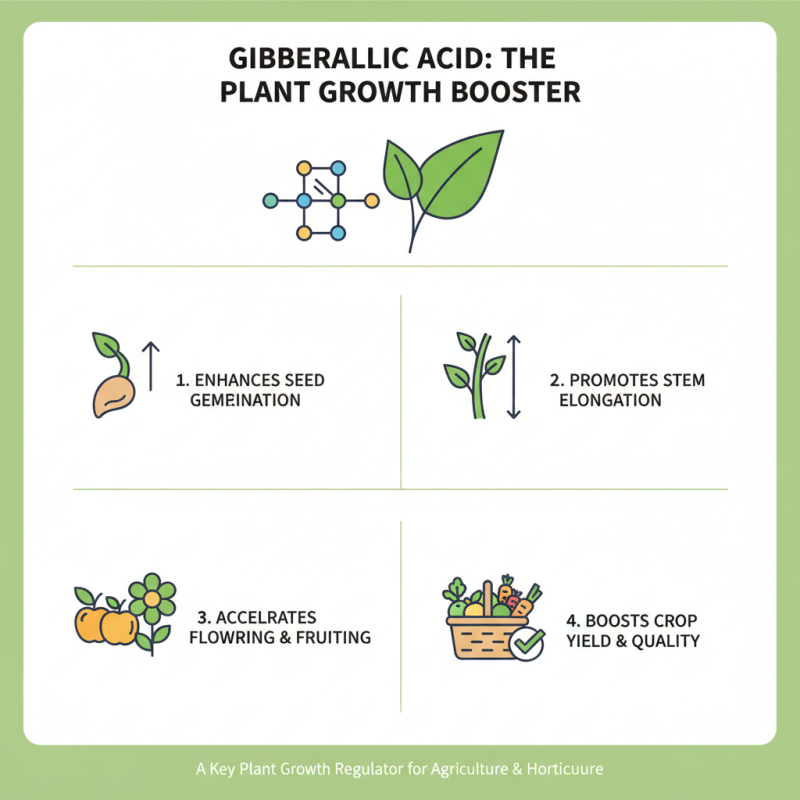
Gibberellic Acid (GA) plays a pivotal role in agriculture and horticulture. It helps stimulate plant growth, enhancing seed germination and elongating stems. Farmers often apply GA to improve crop yield and quality, particularly in fruits and vegetables. This growth regulator can significantly accelerate flowering and fruiting times.
In orchards, GA is used to increase fruit size and improve the overall harvest. Grapes treated with GA produce larger berries, making them more appealing to consumers. In cereal crops, GA encourages taller growth, leading to better yields. However, over-application of GA may lead to unexpected results, such as weak stems that can't support the plant.
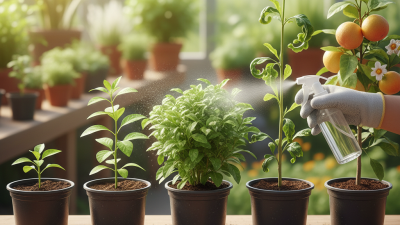
Tips: When applying GA, consider local environmental conditions. Use it in moderation to prevent issues like excessive growth. Monitor plants regularly to adjust applications as needed. This approach can lead to healthier plants and increased productivity. Remember, balance is key in using growth hormones effectively.