Why Does Gibberellic Acid Enhance Seed Germination?
Gibberellic acid is a key regulator in plant growth. Its role in seed germination has been widely studied. This plant hormone affects various physiological processes, enhancing the growth potential of seeds. Researchers have found that gibberellic acid germination promotes rapid sprouting, improving crop yields.
During seed germination, the activation of specific genes is crucial. Gibberellic acid triggers these genes, leading to the production of enzymes. These enzymes break down stored nutrients, providing energy for developing seedlings. Enhanced hydration and gas exchange also contribute to successful germination.
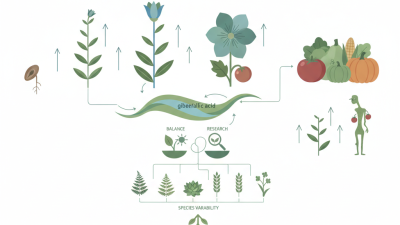
Despite its benefits, the application of gibberellic acid must be carefully managed. Not all seeds respond equally to it. Some plants may thrive without it, raising questions about its universal effectiveness. Ongoing research aims to refine our understanding of how gibberellic acid germination impacts various species. This knowledge will help optimize agricultural practices and improve food security globally.
The Role of Gibberellic Acid in Plant Growth Regulation
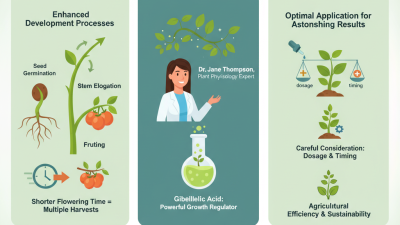
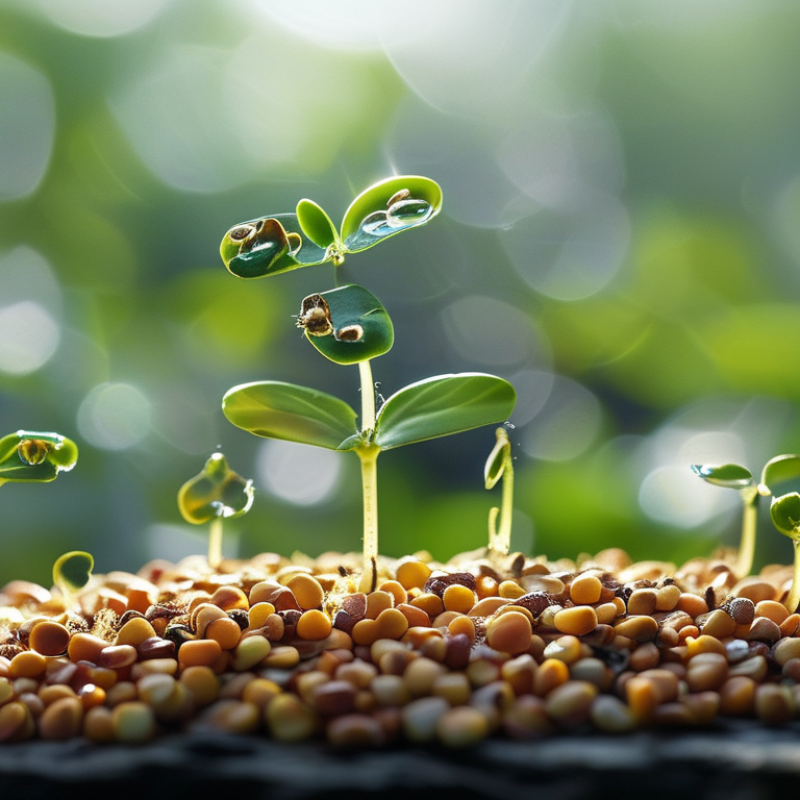
Gibberellic acid (GA) plays a crucial role in plant growth regulation. It functions as a hormone, influencing various developmental processes. One of GA's most significant contributions is enhancing seed germination. When seeds are dormant, they require specific conditions to sprout. GA helps break this dormancy, allowing them to grow in favorable conditions.
This acid stimulates enzyme production in seeds. These enzymes help break down stored food, providing the energy needed for growth. Without sufficient GA, seeds may fail to germinate or take longer to do so. Researchers have observed improved germination rates in many plant species treated with GA. However, the exact mechanisms can vary across different plants. Some seeds may respond positively, while others show minimal change.
Despite its effectiveness, using GA is not without limitations. Applying too much can disrupt normal growth patterns. This imbalance may lead to excessive elongation of stems and weaker plants. Understanding the precise application of GA is essential. It highlights the need for research and caution in agricultural practices. Balancing the benefits and potential drawbacks of GA remains a key area of study in plant biology.
Effects of Gibberellic Acid on Seed Germination
This chart illustrates the impact of varying concentrations of Gibberellic Acid (GA3) on seed germination percentage over a period of 10 days. Higher concentrations of GA3 generally lead to increased germination rates.
Mechanisms of Gibberellic Acid Action on Seed Dormancy
Gibberellic acid (GA) plays a crucial role in breaking seed dormancy. Seeds often remain dormant to survive unfavorable conditions. When conditions improve, GA facilitates the germination process. It breaks down stored food in seeds, providing energy for growth.
The mechanisms of GA action involve complex interactions. It influences gene expression related to growth factors. These genes enhance enzyme production, which helps in mobilizing nutrients. The presence of GA also alters the seed’s internal environment. This change triggers the necessary biochemical pathways for germination.
However, the effectiveness of GA varies among species. Some seeds may respond poorly to GA treatment. Overuse of this plant hormone can lead to unpredictable results. Understanding the diverse responses is key for researchers. They must consider environmental factors alongside GA application for better outcomes.
Impact of Gibberellic Acid on Enzymatic Activity During Germination
Gibberellic acid (GA) plays a significant role in enhancing seed germination. Its impact on enzymatic activity is crucial during this process. GA stimulates enzymes like amylase and protease, which break down stored nutrients in seeds. This breakdown provides energy for growth and development. As seeds absorb water, GA activates these enzymes, speeding up germination.
During germination, the activity of these enzymes increases dramatically. For example, amylase breaks down starches into sugars. These sugars are vital for seedling energy. Other enzymes help with protein breakdown, ensuring that amino acids are available for growth. Observing these processes can reveal how GA aids plants in overcoming dormancy.
Consider experimenting with different concentrations of gibberellic acid. This can help tailor conditions for specific seeds. Measuring germination rates can provide insights into optimal levels. Remember, though, that not all seeds respond the same way. Adjustments may be necessary based on the plant species. Keeping a journal of your observations can be beneficial for future planting success.
Environmental Factors Influencing Gibberellic Acid Function
Gibberellic acid (GA) plays an essential role in seed germination. Its effectiveness often hinges on specific environmental factors. Temperature, moisture, and light conditions can dramatically influence GA's action. For instance, optimal temperatures enhance the germination rate, while excessive heat can be detrimental. In contrast, cool temperatures may delay the process.
Moisture availability is equally crucial. Seeds must absorb water to activate their metabolism. High humidity encourages this water uptake, allowing GA to function effectively. Light exposure also impacts some seeds, as certain species require specific wavelengths to trigger germination. These environmental triggers shape the seed's response to gibberellic acid.
Consider experimenting with these elements when starting your seeds. Adjust your watering schedule based on humidity levels. Utilize a thermometer to monitor temperature changes closely. Additionally, observe how different light conditions affect germination rates. Not every method will yield perfect results. Some might need further refining. Tracking these details can lead to better outcomes in future planting cycles.
Applications of Gibberellic Acid in Agriculture and Horticulture
Gibberellic Acid (GA3) plays a pivotal role in agriculture and horticulture. It promotes seed germination by breaking dormancy. According to a study published in the Journal of Agricultural Sciences, crops treated with GA3 showed a 30% increase in germination rates. This enhances overall crop yield and productivity, crucial in meeting global food demands.
Farmers increasingly adopt GA3 to improve various crops. For instance, its application in rice cultivation resulted in a 15% growth in plant height and a notable increase in panicle number. This aligns with the findings from the Agronomy Journal, which highlighted that early-season applications can lead to better resource utilization.
However, these benefits come with challenges. Over-reliance on gibberellins may lead to diminished seed quality or unexpected growth patterns. Research indicates that there is still a need for comprehensive studies on optimal GA3 concentrations. Understanding these nuances helps farmers make informed decisions, balancing innovation and sustainability in their practices.