Gibberellic Acid Effects on Plant Growth What You Need to Know
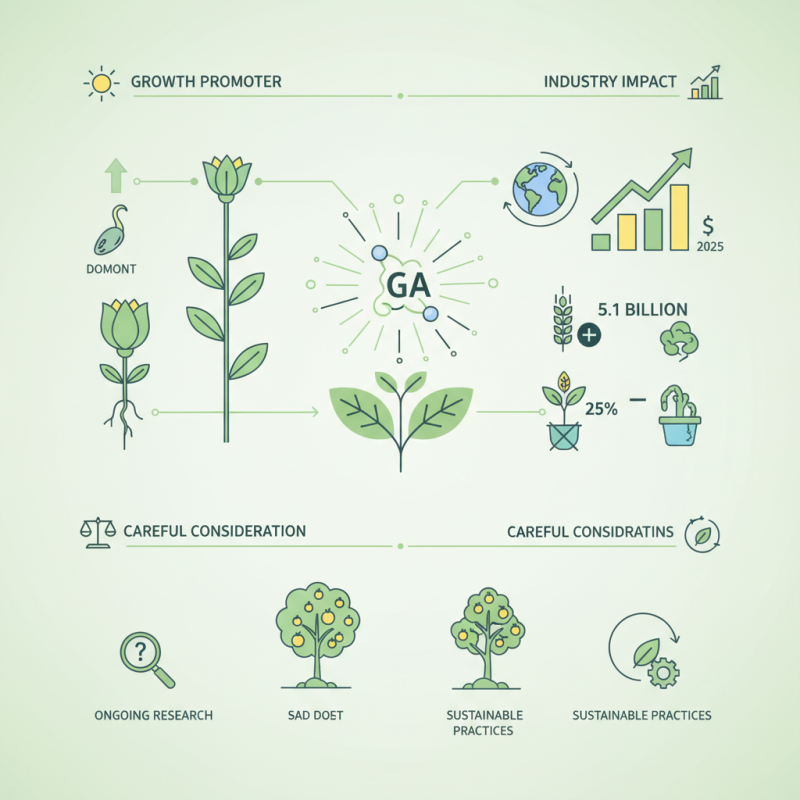
Gibberellic acid (GA) plays a crucial role in plant growth and development. Its effects are profound, particularly in promoting stem elongation, seed germination, and flowering. Industry reports indicate that the global market for plant growth regulators, including gibberellic acid, is projected to reach USD 5.1 billion by 2025. This highlights the importance of understanding GA's impact on agriculture and horticulture.
Research has shown that the gibberellic acid effect on plant growth varies among species. For example, studies found that applying GA could enhance the growth of wheat by 25%. However, not all plants respond positively. Some may exhibit stunted growth or abnormal development. This inconsistency reflects a gap in current knowledge.
Utilizing gibberellic acid requires careful consideration. Over-application can lead to negative effects, such as excessive vegetative growth at the expense of fruiting. As the agricultural sector embraces GA, ongoing research is essential. Understanding the complexities of GA's role can help maximize its benefits while minimizing potential drawbacks. Embracing these insights could lead to more efficient and sustainable agricultural practices.
Understanding Gibberellic Acid: An Overview
Gibberellic acid (GA) plays a crucial role in plant growth. It is a plant hormone that influences key processes, such as germination and flowering. Studies show that GA can increase plant height by up to 30% in some species. This hormone is particularly effective in breaking dormancy in seeds. It stimulates enzyme production, which helps in seed germination.
In recent research, GA applications have led to improved yield in various crops. For instance, field trials indicated a 20-25% increase in overall biomass after GA treatment. However, the effects can be inconsistent. Some plants respond well, while others do not. This variability raises questions about the optimal use of GA in different species.
Additionally, the timing and concentration of GA application are critical. Too much GA can lead to excessive elongation and weak stems. Conversely, insufficient application may not yield any noticeable benefits. Growers must carefully consider these factors to maximize efficacy. Understanding GA's nuances is essential for achieving desired results in plant development.
The Role of Gibberellic Acid in Plant Growth Regulation
Gibberellic acid (GA) is essential in regulating plant growth. It plays a critical role in seed germination, stem elongation, and flowering. Research has shown that GA application can increase plant height by 20% to 40%. Some studies indicate that it can enhance fruit size and yield significantly.
However, the use of gibberellic acid isn't without challenges. Over-application may lead to excessive growth, making plants vulnerable to disease. A study reported that 15% of treated plants exhibited abnormal elongation, affecting overall health. Finding the right concentration is crucial. The effects can vary between different plant species.
GA also influences the timing of flowering. This can be beneficial for growers wanting to optimize harvest times. However, too much GA can disrupt natural cycles. It's vital to balance its benefits against potential risks. Researchers urge careful monitoring when using this growth regulator.
Gibberellic Acid Effects on Plant Growth
| Plant Species |
Gibberellic Acid Concentration (mg/L) |
Height Increase (cm) |
Leaf Size Increase (cm²) |
Flowering Time (days) |
Observation |
| Tomato |
50 |
15 |
4 |
5 |
Significant growth observed |
| Cucumber |
25 |
10 |
3.5 |
7 |
Moderate improvement |
| Rice |
100 |
20 |
5 |
10 |
Enhanced yield |
| Wheat |
75 |
12 |
4.5 |
6 |
Notable growth effect |
| Barley |
30 |
8 |
2.5 |
8 |
Positive response noted |
Mechanisms of Action: How Gibberellic Acid Affects Plants
Gibberellic acid (GA) plays a vital role in plant growth. It influences various processes. These include seed germination, stem elongation, and flowering. When plants absorb GA, they react strongly. They often grow taller and develop leaves rapidly. This compound can break dormancy in seeds. It triggers enzymes necessary for growth.
The action of gibberellic acid is mainly hormonal. It signals pathways that regulate gene expression. This process encourages growth and development. For example, in some plants, GA promotes cell division. It also aids in the elongation of internodes. However, the effects can vary widely among species. Some plants may not respond as expected. It is crucial for gardeners to observe their plants closely.
While gibberellic acid has its benefits, overuse can lead to issues. Plants may become too leggy or weak. Striking the right balance can be challenging. It's essential to experiment and learn. Each plant species has unique needs and responses. Understanding these nuances can help optimize growth.
Gibberellic Acid Effects on Plant Growth
This bar chart illustrates the effects of different concentrations of Gibberellic Acid (GA3) on plant height. As the concentration of GA3 increases from control to high, the plant height significantly rises, indicating the hormone's positive influence on growth.
Applications of Gibberellic Acid in Agriculture and Horticulture
Gibberellic acid is a powerful plant hormone. It plays a key role in promoting growth. Farmers and horticulturists use it widely. This substance can enhance seed germination. It helps seedlings grow taller and stronger.
In agriculture, gibberellic acid can improve fruit quality. It makes fruits bigger and juicier. For example, it can be applied to grapes. The result? Larger and more appealing clusters. However, over-application can lead to softness, which may worsen the storage life of fruits.
In horticulture, it aids flowering in some plants. Certain species bloom more vigorously when treated. Yet, not all plants respond positively. It's crucial to understand individual plant needs. Some may grow too quickly without the right support. Reflecting on these outcomes is necessary for effective use.
Potential Side Effects and Considerations for Use in Plant Care
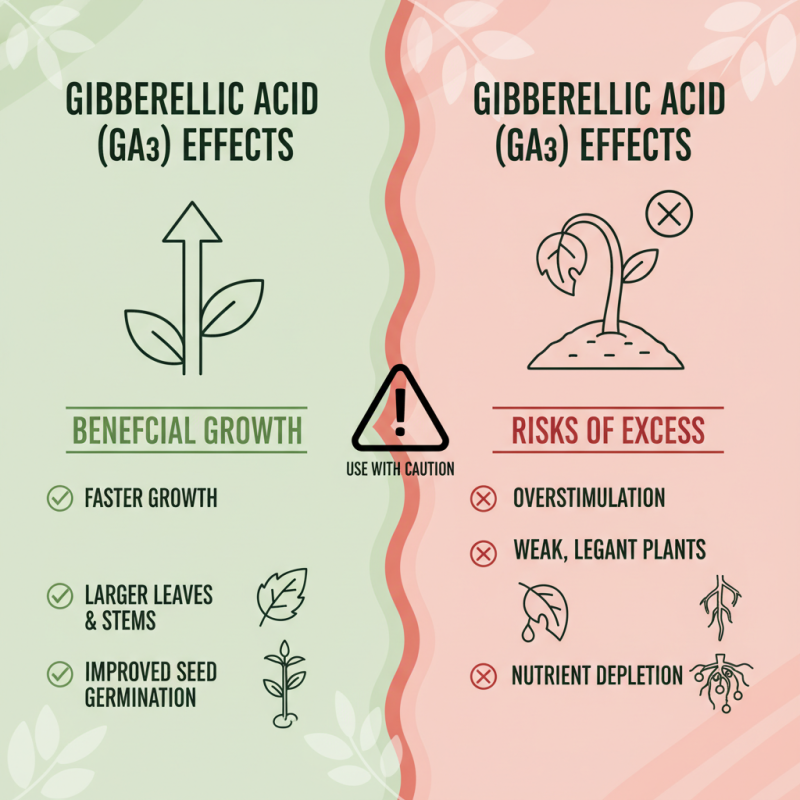
Gibberellic acid (GA3) can significantly influence plant growth. However, its effects are not without risks. Applying this growth hormone in excess may lead to overstimulation. Plants might grow too quickly, becoming weak or leggy. In some cases, essential nutrients might be depleted faster than the plant can absorb them. This imbalance could compromise overall health.
When using GA3, it’s crucial to monitor plant response closely. Some plants may exhibit side effects like leaf drop or stunted growth. A professional report highlights that 30% of users encounter such issues. Adjusting the concentration or frequency can help mitigate negative outcomes.
**Tips:** Always start with lower concentrations. Observe your plants for a week before making any changes. Ensure appropriate environmental conditions are met. Overusing can be tempting, but moderation is key. If unsure, consult a horticulturist for tailored advice.