How to Effectively Use Gibberellic Acid Products for Plant Growth?
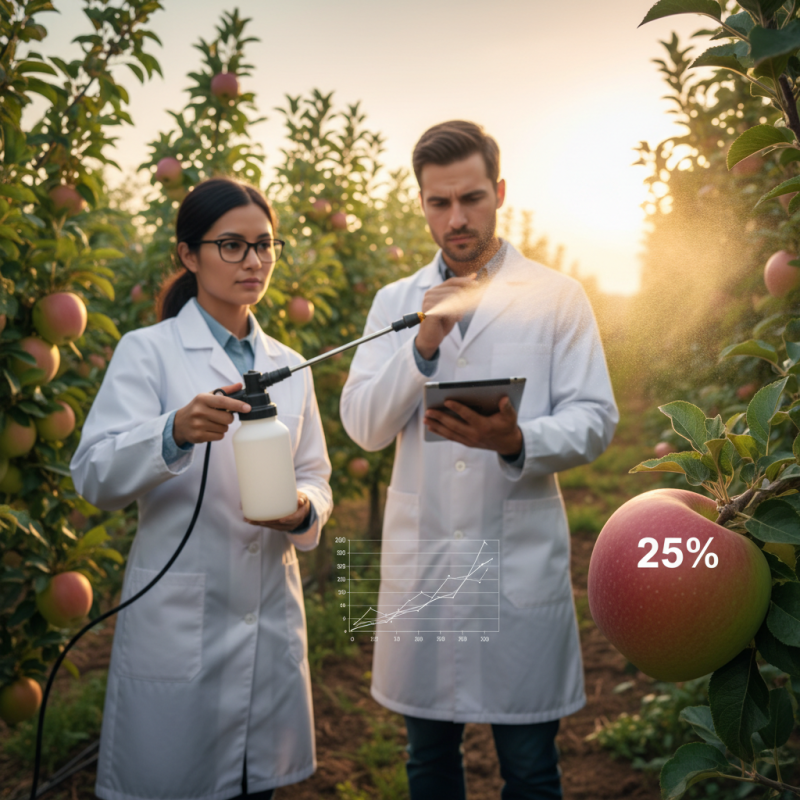
Gibberellic acid products play a crucial role in modern agriculture. They enhance plant growth and improve crop yields. According to a report by the International Society for Horticultural Science, these products can increase fruit size by up to 25%. This staggering figure highlights their growing importance in the farming sector.
Dr. Alice Thompson, a noted agronomist, emphasizes, “Using gibberellic acid products correctly can transform crop production.” She stresses the need for precise application to avoid overuse. For instance, excess application may lead to abnormal growth patterns. Each plant species reacts differently, making it essential to understand specific requirements.
As farmers and growers seek ways to boost productivity, understanding gibberellic acid products becomes vital. Continuous research and trials are necessary to maximize their potential. Mistakes can occur, and learning from them will shape future agricultural practices. Balancing scientific knowledge with practical application is a growing challenge in the industry.
Understanding Gibberellic Acid: Definition and Importance in Agriculture
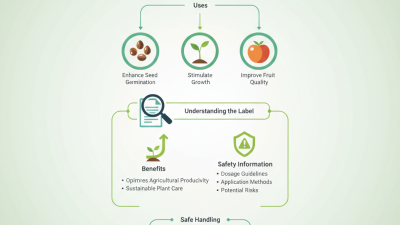
Gibberellic acid (GA) is a vital plant hormone that plays a significant role in promoting growth. It's a compound derived from fungi and is pivotal in agriculture. In various studies, GA has been shown to enhance seed germination rates by up to 90%. This hormone increases cell elongation, leading to taller plants and higher yields. For instance, crops such as rice and grapes have demonstrated significant growth improvement when treated with GA.
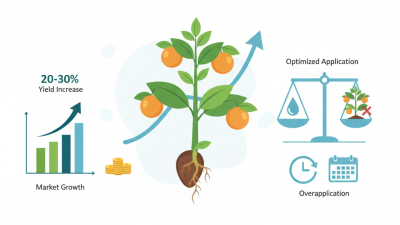
The importance of gibberellic acid is evident in its ability to influence flowering and fruit development. According to agricultural reports, applying GA can result in an increase in the size of fruits by 20-30%. This aspect is crucial for growers aiming to meet consumer demand for larger produce. However, improper use of GA can lead to unexpected outcomes, such as excessively tall plants that may fall over.
Farmers must understand the correct dosage and timing of application. Research indicates that misuse of GA can lead to decreased root strength, making plants more vulnerable to stress. While gibberellic acid can significantly boost productivity, it is essential to proceed with caution. Each crop may respond differently, so ongoing experimentation and observation are necessary to achieve optimal results.
Key Benefits of Gibberellic Acid on Plant Growth and Development
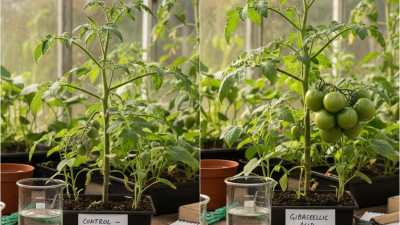
Gibberellic acid is a powerful plant growth regulator. It plays a vital role in stimulating growth and development. This natural compound promotes cell division and elongation, leading to taller plants. It also helps break dormancy in seeds. When seeds receive adequate gibberellic acid, they tend to germinate faster. This can significantly enhance your garden's productivity.
In addition to promoting growth, gibberellic acid influences flowering and fruiting. It encourages earlier blooming in some species. More flowers can lead to increased fruit production. However, it's essential to apply it wisely. Overuse may lead to undesirable effects. For instance, excessive growth can weaken the plant structure. Proper timing and dosage are crucial.
Some gardeners fear misuse. Their concerns are valid, as every plant species responds differently. Fine-tuning the concentration is often necessary. Regular observation helps farmers make adjustments. Noticing subtle changes can guide future applications. This adaptability in using gibberellic acid can lead to improved outcomes. Remember, experimentation is part of the process. Each plant has its unique needs.
Impact of Gibberellic Acid on Plant Growth
This chart illustrates the effect of different levels of Gibberellic Acid on plant height increase. As the dose of Gibberellic Acid increases, there is a notable increase in plant height, demonstrating its potential benefits for enhancing growth and development in plants.
Optimal Application Methods for Gibberellic Acid in Various Crops
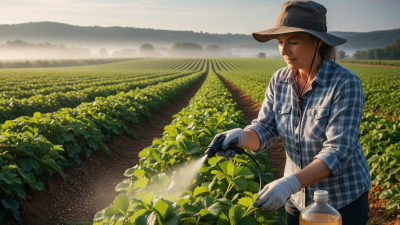
Gibberellic acid (GA3) is a powerful plant growth regulator. Its optimal application varies by crop type. For example, when used on barley, it promotes germination and enhances growth. A common method is foliar spray, applied at 100-200 ppm during early growth stages. This helps increase height and yield, but timing is key.
For fruit crops like grapes, GA3 treatment can improve fruit size and quality. Applying it at 30-40 ppm during the flowering stage often yields best results. However, overuse can lead to unintended growth, such as excessive vine stretch. This can make plants weaker and affect the fruit.
In legumes, the application rate may differ. A concentration of 25-50 ppm can support pod development. Ensure even distribution for maximum efficacy. Incorrect techniques can diminish the benefits of GA3. Experimentation and careful observation are crucial for achieving optimal growth. Reflect on previous applications to refine your methods.
Recommended Concentrations and Timing for Effective Use of Gibberellic Acid
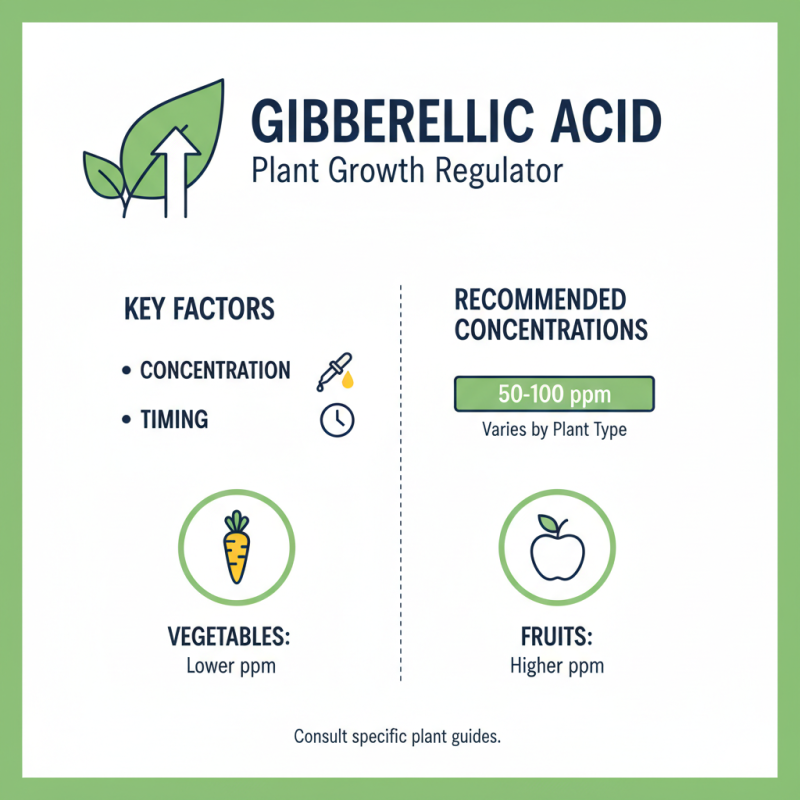
Gibberellic acid is a powerful plant growth regulator. To use it effectively, concentration and timing are crucial. Recommended concentrations often range from 50 to 100 ppm. However, this can vary based on the plant species. For instance, vegetables may respond best at lower levels, while fruits might require higher concentrations.
Timing also plays a key role in the application. Applying gibberellic acid before flowering can enhance fruit size. However, using it too late may yield mixed results. Some plants may experience excessive growth or poor fruit set. It's an ongoing challenge to determine the right moments for application.
**Tips:** Observe your plants closely. Note their growth stages. Adjust your strategy based on their response. Test different concentrations on a small scale before a full application. Remember, what works for one plant might not work for another. Keep a record of your successes and failures to refine your approach.
Potential Risks and Environmental Considerations When Using Gibberellic Acid
Gibberellic acid can boost plant growth. However, cautious use is essential due to potential risks. Excessive application may disrupt natural growth patterns. Over-reliance can result in weaker plants that are less resilient. Monitor the quantity carefully.
Environmental considerations are paramount. Gibberellic acid can leach into soil and waterways. This might affect local ecosystems. It’s crucial to prevent runoff when applying. Use barriers or absorbent materials around your plants. Less is often more when applying this growth agent.
Tips for using gibberellic acid: Start small. Test a few plants before applying to your entire garden. Observe their response for a week. Adjust dosages accordingly. Consider rain patterns. Avoid treating plants just before heavy rain, which may wash away the product. Always prioritize the health of your plants and the surrounding environment.