What is the Effect of Gibberellic Acid on Plant Growth?
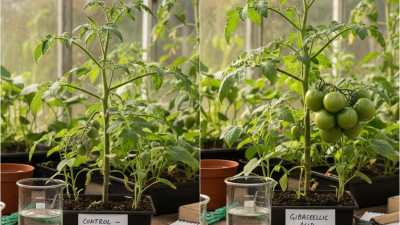
Gibberellic acid, a plant hormone, significantly influences plant growth. Research highlights its role in promoting stem elongation, seed germination, and flowering. According to a study published in the Journal of Plant Growth Regulation, plants treated with gibberellic acid showed a 30% increase in height compared to controls. This powerful compound modifies growth patterns and can enhance crop yields.
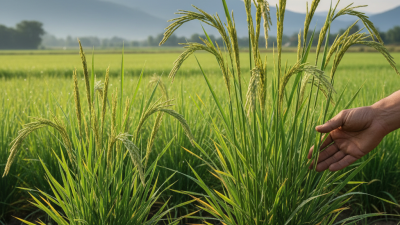
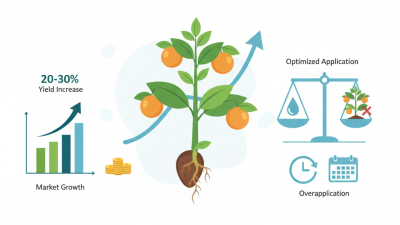
Different species respond uniquely to gibberellic acid on plant growth. For instance, some grains achieve larger yields when exposed to this hormone. However, not all reactions are positive. Over-application may lead to abnormal growth. Plants can become leggy or weak. This highlights the need for careful measurement and application.
Farmers and researchers continue exploring gibberellic acid's potential. Despite its benefits, challenges remain. Understanding the complex hormonal interactions is crucial for optimized growth strategies. Continuous studies and innovative applications might pave the way for sustainable agricultural practices, utilizing gibberellic acid effectively.
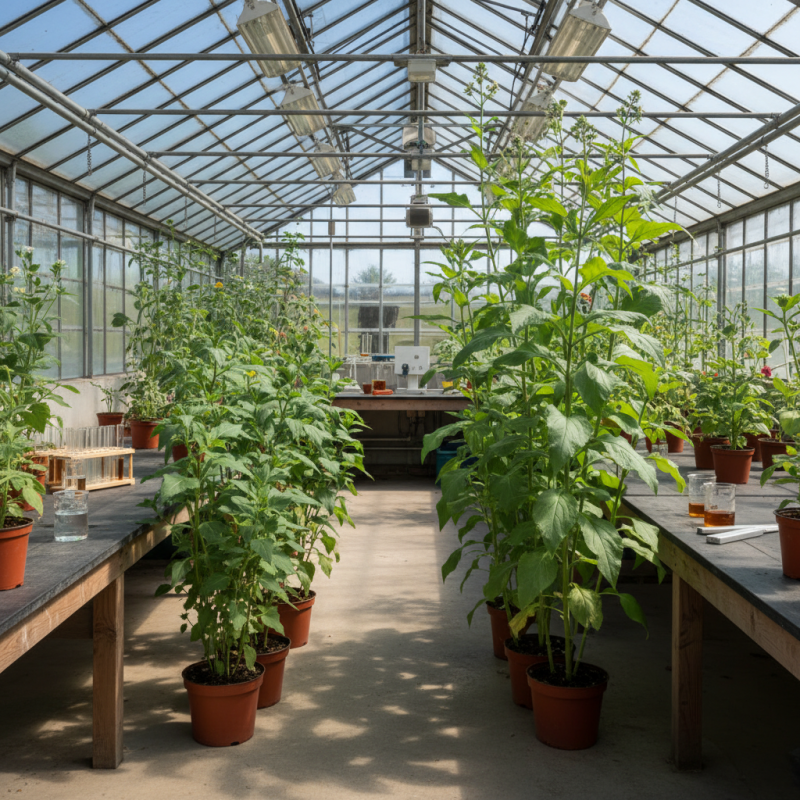
The Role of Gibberellic Acid in Plant Hormone Regulation
Gibberellic acid is a vital plant hormone that influences growth and development. It plays a crucial role in promoting seed germination and stem elongation. When applied, it can drive cells to divide and stretch. This action significantly impacts how plants respond to environmental conditions.
In many cases, the effects of gibberellic acid can be quite noticeable. Plants grow taller, and their leaves become larger. However, its use is not without challenges. Over-application can lead to weak stems and excessive growth. Plants can become leggy and prone to tipping over. It's important to find the right balance.
Gibberellic acid’s role in hormone regulation is critical. It interacts with other hormones like auxins and cytokinins. This interaction can be complex, sometimes leading to unexpected results. Researchers continue to study these dynamics to understand how to optimize plant growth effectively. The journey of exploring these relationships can be an ongoing learning experience.
Mechanisms of Gibberellic Acid Action on Seed Germination
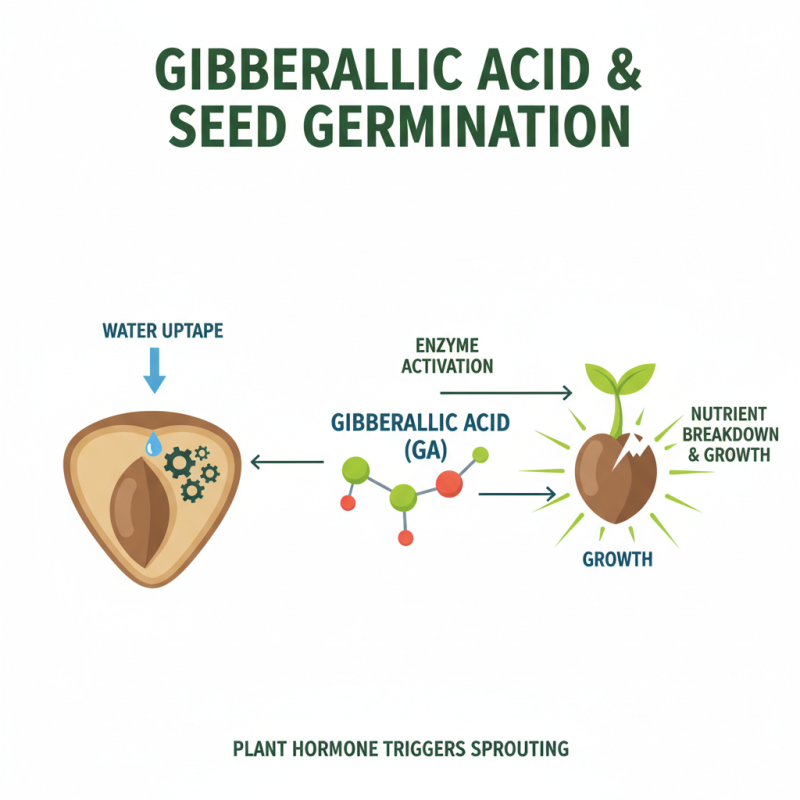
Gibberellic acid (GA) plays a crucial role in seed germination. This plant hormone triggers significant biological processes, allowing seeds to sprout. Its action starts when water enters the seed. This hydration activates enzymes, breaking down stored nutrients.
The presence of GA facilitates the production of α-amylase, an enzyme that converts starch into sugar. This sugar acts as energy for the growing plant. However, not all seeds respond uniformly to GA. Some might not show any noticeable change, raising questions about genetic factors.
Additionally, gibberellic acid influences dormancy. Some seeds require specific conditions to germinate, and GA can alter those requirements. Still, excessive use of GA could harm other growth stages. The balance of applying this hormone need careful consideration. How much is too much? Understanding these dynamics is essential for optimizing plant growth.
The Impact of Gibberellic Acid on Stem Elongation and Growth Rates
Gibberellic acid (GA) is a powerful regulator of plant growth. It is known for promoting stem elongation, which can be crucial for a plant's overall development. When plants are treated with GA, they often experience a noticeable increase in height. This elongation happens due to the cell expansion and division influenced by the hormone.
However, the effects of GA aren’t always predictable. Sometimes, plants grow too tall and become weak. They may not be able to support their height, leading to bending or breakage. This phenomenon raises questions about the balance between growth and structural integrity. It's a reminder that growth should be harmonized with stability.
Observing plants treated with GA reveals an intriguing duality. While rapid stem growth may seem beneficial, it might also lead to a lack of necessary foliage. This imbalance can hinder photosynthesis, ultimately affecting the plant's health. Understanding these complexities is vital for gardeners and scientists alike, as it challenges us to consider the optimal use of plant growth regulators.
Effect of Gibberellic Acid on Plant Growth
This chart illustrates the impact of different concentrations of Gibberellic Acid on stem elongation and growth rates in plants. The data shows that as the concentration of Gibberellic Acid increases, both stem elongation and growth rates enhance up to a certain point.
Gibberellic Acid's Influence on Flowering and Fruit Development
Gibberellic acid (GA) plays a significant role in flowering and fruit development. This plant hormone affects various growth processes, enhancing the transition from vegetative to reproductive stages. For many plants, GA encourages faster flowering. This is especially important for crops that require timely blooming for successful harvests.
Interestingly, while GA promotes growth, its effect isn't always positive. Overapplication can cause plants to become lanky. This can lead to weak stems that struggle to support flowers. A careful balance is necessary. Observing your plants closely will help determine the right amount of GA to use.
Tips: Use GA sparingly. Experiment with different concentrations on a few plants. Monitor how they respond. Each plant species varies in sensitivity. Over time, you can adjust your approach.
Fruit development also benefits from GA. It promotes cell elongation, leading to larger fruits. However, excess GA can cause uneven growth. This might result in fruits that are misshapen. Keep an eye on the growth patterns. Adjust your methods based on the specific needs of each plant.
Tips: Ensure consistent watering and nutrient supply. This helps your plants fully utilize the benefits of GA. A balanced environment encourages optimal fruit growth.
Comparative Studies: Gibberellic Acid Versus Other Plant Growth Regulators
Gibberellic acid (GA) has gained attention in horticulture for its effects on plant growth. Many researchers have studied GA alongside other plant growth regulators, each having unique benefits. For example, auxins promote root development, while cytokinins enhance shoot growth. Comparing these regulators reveals significant differences in outcomes.
In controlled experiments, GA consistently resulted in taller plants. However, the increase in height sometimes sacrificed leaf density. In contrast, auxins did not always produce taller plants but led to bushier growth. This provides a more balanced structure for some species. Understanding these contrasts can aid gardeners in choosing the right regulator for their needs.
Despite its advantages, GA isn't a one-size-fits-all solution. Some trials indicated potential negative effects, such as delayed flowering. Overall, the impact of GA versus other growth regulators shows that each has its strengths and weaknesses. A more tailored approach may be needed for specific plant types. Further experimentation can help clarify these nuances.