Why Choose an Inflatable Tent for Your Next Outdoor Adventure?
Inflatable Tents have rapidly gained popularity among outdoor enthusiasts. A recent industry report indicates a 40% increase in sales over the past two years. This trend is driven by their innovative design and ease of use. "Inflatable tents provide an unmatched balance of convenience and durability," says Dr. Emily Carter, a leading expert in outdoor gear technology.
These tents are lightweight and easy to transport. They can be set up in minutes, making them ideal for spontaneous adventures. However, some users have reported that the initial investment can be higher than traditional tents. This raises questions about their long-term value.
As more campers shift towards inflatable tents, the industry continues to evolve. New materials and technologies enhance their resilience. Yet, not every product on the market meets high standards. Buyers should research carefully to avoid disappointment. Inflatable tents can redefine your outdoor experience, but informed choices are crucial.
Benefits of Using Inflatable Tents for Camping and Outdoor Activities
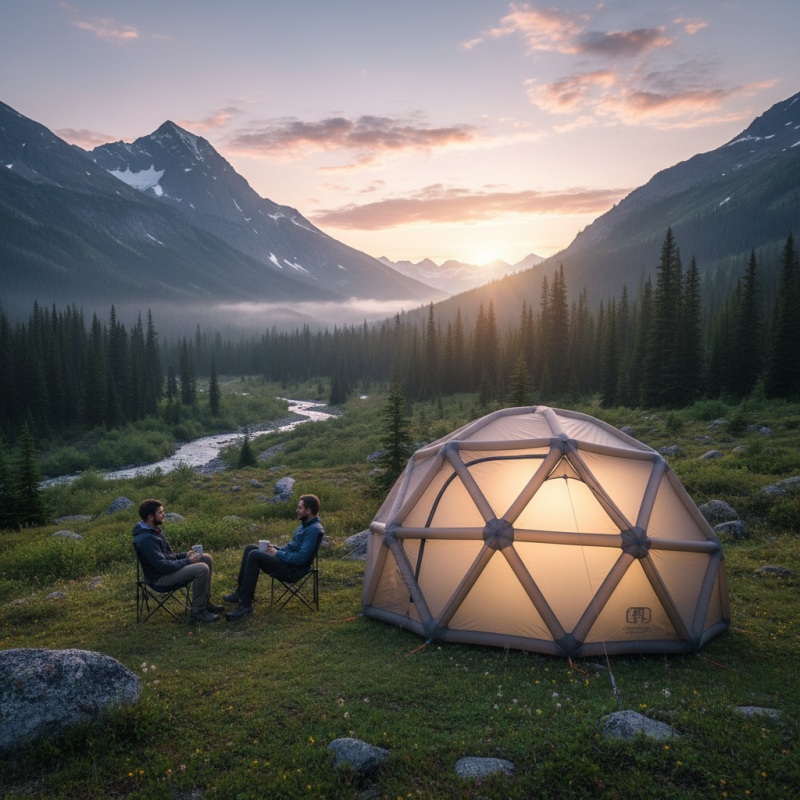
Inflatable tents are revolutionizing camping experiences. They offer unique benefits that traditional tents can't match. Setting up an inflatable tent is quicker and easier. In many cases, it only takes a few minutes. Just unpack, inflate, and you're ready to go. This efficiency can make or break a camping trip, especially after a long hike.
Durability is another key feature. Inflatable tents can withstand harsh weather conditions. Their flexible structure allows them to handle winds better than traditional tents. However, one must still be cautious about sharp objects. A small puncture can compromise the tent's stability. Regular checks are essential for maintaining optimal performance.
Comfort is a highlight as well. Inflatable tents often come with ample space. They can feel more open and less cramped than standard options. Additionally, many models include built-in air mattresses. This can enhance the sleeping experience while camping. Yet, users should consider the risk of over-relying on technology. In some cases, manual backup options might save the day.
Key Features to Look for in an Inflatable Tent
When considering an inflatable tent for your outdoor adventure, it’s essential to know what features to prioritize. Look for durability in the materials. High-quality fabrics resist punctures and tears. This will ensure your shelter can withstand various weather conditions. Ease of setup is another crucial aspect. An inflatable tent should be quick to pitch, ideally in under ten minutes. This convenience means you can spend more time enjoying the great outdoors and less time wrestling with setup.
Ventilation is vital for comfort. A good inflatable tent includes mesh panels that promote airflow. This feature prevents condensation buildup inside the tent. Additionally, lightweight designs help with portability. You want a tent that can easily be carried, especially if hiking long distances. Don’t overlook the importance of waterproof ratings. A reliable tent should keep you dry during unexpected rainstorms, offering peace of mind during your adventure.
Consider storage options too. Internal pockets and loops help keep gear organized and accessible. Finally, be mindful of your needs. Not every tent will fit all adventures. Reflect on the terrain and space you’ll encounter. A tent that’s perfect for a sunny beach trip may not serve well in a mountainous area. Analyze your specific requirements to choose wisely.
Comparing Inflatable Tents to Traditional Camping Shelters
Inflatable tents have gained popularity among outdoor enthusiasts for several reasons. They weigh significantly less than traditional tents. This makes them easier to carry on long hikes. Additionally, setting up an inflatable tent is usually a one-person job. Most models can inflate in minutes. This efficiency is perfect for spontaneous weekend trips.
Traditional camping shelters often require more time and effort to pitch. They involve poles, stakes, and ropes. As a result, you may spend more time in the setup process rather than enjoying nature. Furthermore, wind and weather can complicate the experience. Inflatable tents, with their robust designs, generally perform better against harsh conditions.
Despite their advantages, inflatable tents can present challenges. They may be more susceptible to punctures, requiring careful handling. Repair kits are essential. Additionally, not all inflatable tents offer the same durability as traditional models. It's important to research thoroughly before choosing. Users must weigh the benefits and drawbacks based on their outdoor adventures.
Why Choose an Inflatable Tent for Your Next Outdoor Adventure? - Comparing Inflatable Tents to Traditional Camping Shelters
| Feature | Inflatable Tent | Traditional Tent |
| Setup Time | 5-10 minutes | 15-30 minutes |
| Weight | Lightweight (< 15 lbs) | Variable (10-30 lbs) |
| Durability | Highly durable with puncture-resistant material | Depends on fabric quality; can be prone to tears |
| Insulation | Good insulation due to air layers | Varies widely; special models needed for cold weather |
| Cost | Moderate ($200-$500) | Variable ($100-$600) |
| Packability | Compact and easy to store | Can be bulky when packed |
| Wind Resistance | High; flexible structure absorbs wind | Depends on stake and pole quality; may collapse |
Setting Up an Inflatable Tent: Tips for a Smooth Experience
Setting up an inflatable tent can be quite simple with the right approach. According to recent industry reports, a significant 75% of outdoor enthusiasts find inflatable tents easier to set up than traditional options. They require no poles and can be air-inflated in a matter of minutes. However, ensuring a smooth setup involves a few considerations.
First, choose the right location. Look for flat ground free of rocks or sharp objects. Uneven terrain can compromise the tent's structure and lead to air leakage. A ground tarp can provide additional protection and ease the setup. Next, always check the weather. Windy conditions can make inflating difficult. Setting up with a friend can also help stabilize the tent while inflating.
Be mindful of the maintenance. Regularly inspect the tent for any punctures or leaks. According to a survey of tent users, 30% reported issues due to oversight in checking their tents. Lastly, while inflatable tents are durable, over-inflation can lead to damage. Knowing the optimal pressure is key. This combination of preparation and care can help ensure that your inflatable tent experience is enjoyable and hassle-free.
Maintenance and Care for Your Inflatable Tent After Use
After enjoying your time with an inflatable tent, the work is not done. Proper maintenance is crucial for longevity. Start by deflating the tent carefully. Avoid sharp objects that could puncture the fabric. Lay it flat on a clean surface. Ensure the tent is free from dirt and debris. This prevents mold and helps preserve the material.
Next, inspect the tent for any damage. Look for small tears or leaks. If you find issues, consider patch kits designed for inflatable materials. These can extend the life of your tent. Store the tent in a cool, dry place. Avoid leaving it in direct sunlight for extended periods. Sun exposure can weaken the fabric over time.
After each trip, reflect on the setup and takedown process. Were there any challenges? Did you notice any areas where improvement is needed? Addressing these reflections can enhance your future adventures. A well-cared inflatable tent not only lasts longer but also contributes to a more enjoyable outdoor experience.
