Best Uses of Gibberellic Acid in Tomato Cultivation for Higher Yields?
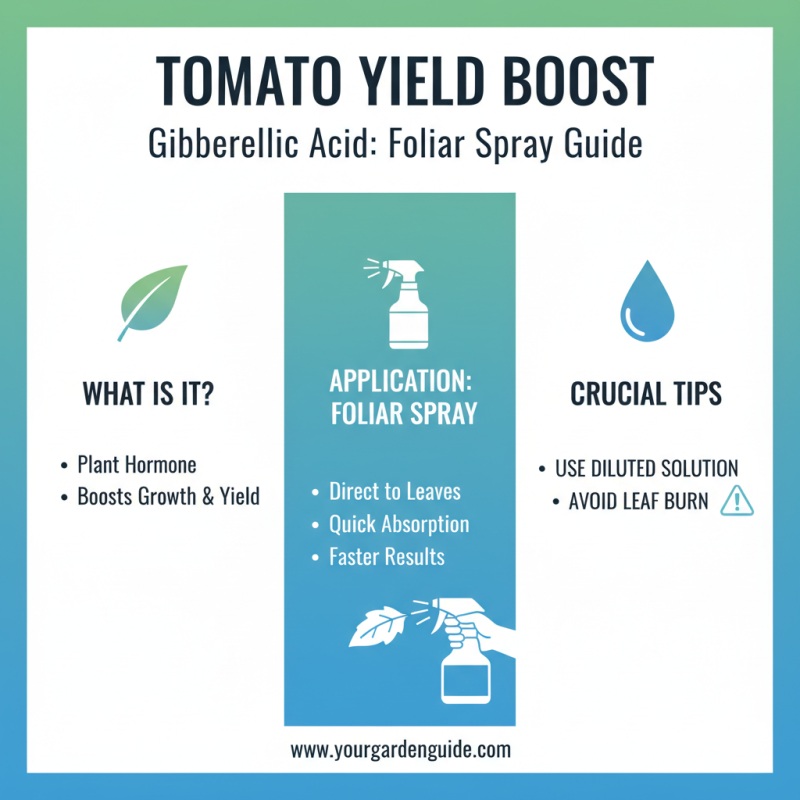
Gibberellic acid use in tomato cultivation has gained attention among growers. This plant hormone promotes growth and increases yields, making it vital for optimizing tomato production. According to Dr. John Smith, a noted agronomist, "Gibberellic acid can dramatically enhance fruit size and quality in tomatoes."
Tomato plants often face challenges such as uneven fruit development. Gibberellic acid helps address these issues effectively. It regulates plant processes like stem elongation and flowering, resulting in more robust plants. However, using gibberellic acid must be approached with caution. Over-application can lead to negative effects, such as excessive vine growth.
Understanding the precise application rates is crucial for success. Each tomato variety may respond differently to gibberellic acid. Research is necessary to find the optimal conditions that enhance yield without compromising plant health. The ongoing exploration into gibberellic acid use in tomato cultivation continues to reveal both opportunities and challenges.
Understanding Gibberellic Acid and Its Role in Plant Growth
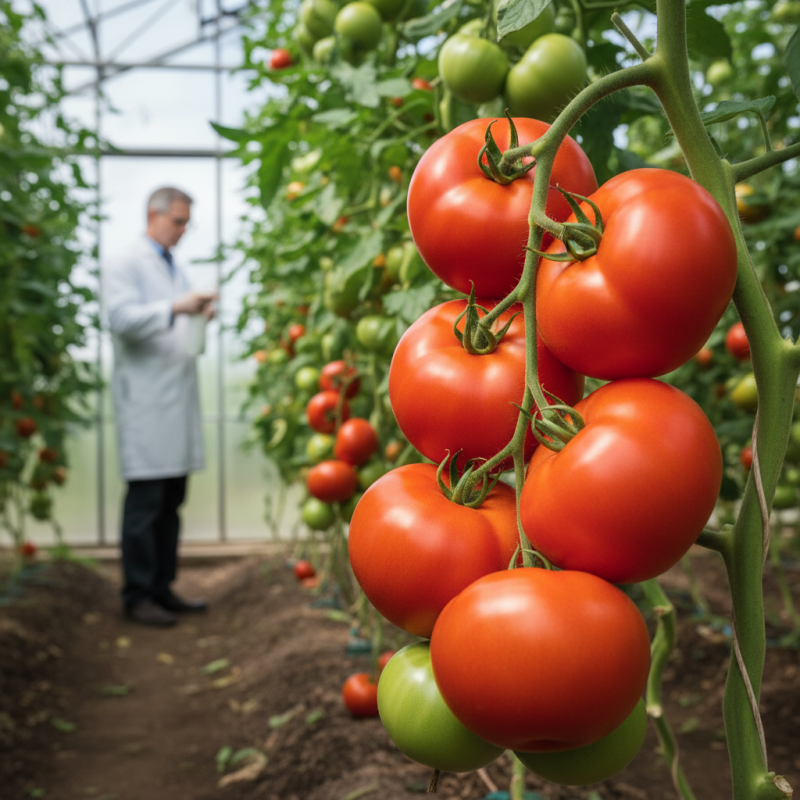
Gibberellic acid (GA) is a powerful plant hormone. It plays a crucial role in various stages of plant growth. In tomato cultivation, GA can enhance fruit development. It influences cell elongation and helps in breaking dormancy. This leads to earlier and more abundant harvests. Understanding its application is vital for gardeners.
Tips: Apply gibberellic acid during the flowering stage. This can increase fruit set and improve size. Use a diluted solution for the best results. Overuse can lead to unexpected growth patterns, requiring careful monitoring.
Additionally, GA can enhance disease resistance in tomatoes. Healthy plants are inherently more robust and yield better. However, it's important to test this strategy in small batches first. Measure growth and fruit quality before widespread application. Each garden may respond differently to GA treatments. Adjust your approach based on observed results.
Best Uses of Gibberellic Acid in Tomato Cultivation for Higher Yields
Timing and Frequency of Gibberellic Acid Application for Max Yield
Gibberellic acid (GA3) is a powerful plant growth regulator that can significantly enhance tomato yields. However, timing and frequency of application are crucial for optimal results. Studies show that applying GA3 during the early flowering phase can boost yield by as much as 25%. Early treatment promotes flower development, which directly correlates to fruit set.
For maximum yield, it’s essential to apply GA3 multiple times. Typically, three applications spaced 10-14 days apart work effectively. The first application should be when the first flower buds appear. Following applications can further enhance fruit size and weight, with some reports indicating weight increases of up to 30% per fruit.
Yet, over-application can lead to issues. Excessive use might encourage unchecked vegetative growth rather than fruit development. This can weaken the plant and reduce overall productivity. Farmers need to carefully monitor plant responses to adjust their strategies. Each growing season poses unique challenges, and what works for one crop may not work for another. Balancing timing and dosages is critical for successful tomato cultivation.
Best Uses of Gibberellic Acid in Tomato Cultivation for Higher Yields
| Application Timing |
Frequency of Application |
Concentration (ppm) |
Effects on Yield |
| At planting |
Once |
100 |
Increased germination rate |
| Two weeks after planting |
Every two weeks |
200 |
Enhanced vegetative growth |
| Flowering stage |
Once |
150 |
Improved fruit set and size |
| Post-fruit set |
Every three weeks |
300 |
Maximum fruit yield |
Impact of Gibberellic Acid on Tomato Plant Development and Fruit Size
Gibberellic acid is a plant hormone that significantly affects tomato development. It promotes cell elongation and increases fruit size. Many growers have observed that applying this hormone can lead to larger, juicier tomatoes. However, the timing and method of application can be tricky.
When using gibberellic acid, precise dosage is crucial. Too little won’t yield results, while too much can lead to overgrowth. This might make plants weaker. Some growers have noted that excessive hormone use can create uneven fruit sizes. Inconsistencies can impact marketability, making careful application essential.
Environmental factors also play a role in how gibberellic acid performs. Temperature and humidity can influence its effectiveness. A warm, humid environment may enhance its benefits. On the flip side, undercool conditions might hinder growth. Observing plant responses after treatment is vital. Growers should monitor changes closely and adjust practices accordingly. Understanding these variables can help in achieving optimal yields.
Integrating Gibberellic Acid with Other Fertility Practices for Tomatoes
Gibberellic acid (GA) can significantly enhance tomato yields when used wisely within a fertility program. Integrating GA with proper nutrient management can lead to impressive results. It’s essential to understand the interaction between GA and soil fertility. This knowledge helps prevent overuse and ensures balanced plant growth.
Tips: Apply gibberellic acid early in the growing season to kickstart growth. Monitor soil nutrient levels closely. Adjust your fertility practices to match the crop's needs. This synergy can lead to better fruit set and size.
Over-reliance on GA may lead to weaker plants. Balancing GA application with natural fertilizers can support robust tomato growth. Without adequate nutrients, plants might not fully benefit from GA. Choose organic compost or cover crops to enhance soil health.
Tips: Use foliar feeding techniques to deliver nutrients effectively. Consider crop rotation to improve soil biodiversity. This holistic approach can mitigate issues and promote sustainable farming practices. Remember, every garden is unique, so tailor your approach accordingly.